-
Mayur Vihar 3 Delhi, 110096 India
Free Course
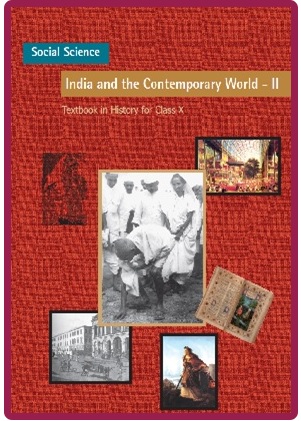
Class 10 History India and the Contemporary World 2 (भारत और समकालीन विश्व 2) Complete Book
Class 10 History India and the Contemporary World 2 (भारत और समकालीन विश्व 2) Complete Book
Course Overview
Class 10 History – Chapter 1
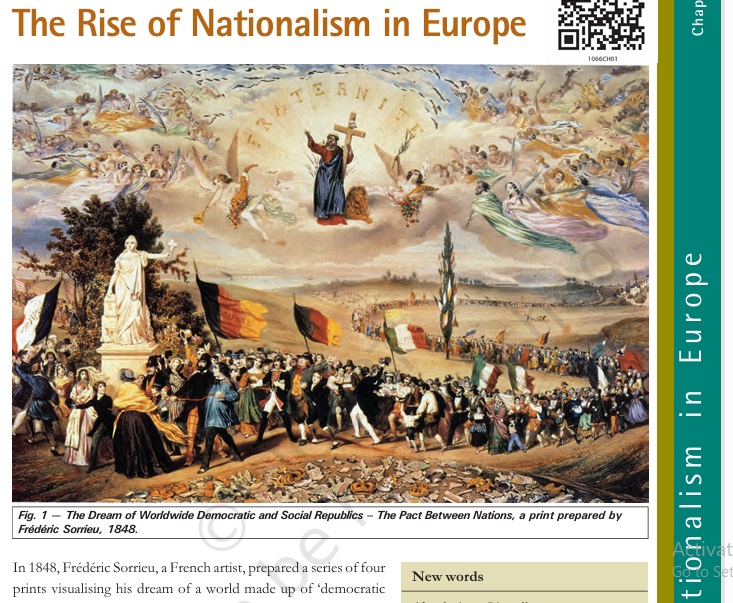
The Rise of Nationalism in Europe
यूरोप में राष्ट्रवाद का उदय
MCQs – Questions 1–10
1. Who founded the secret society Young Italy?
यंग इटली नामक गुप्त संस्था की स्थापना किसने की थी?
A. Giuseppe Garibaldi
B. Giuseppe Mazzini
C. Otto von Bismarck
D. Victor Emmanuel II
Answer / उत्तर: B. Giuseppe Mazzini
Explanation / व्याख्या: Giuseppe Mazzini founded Young Italy in 1831 to promote a united and republican Italy.
ज्यूसेपे मैजिनी ने 1831 में एकीकृत और गणतांत्रिक इटली के निर्माण के उद्देश्य से यंग इटली की स्थापना की थी।
2. What did the Napoleonic Code establish in 1804?
1804 की नेपोलियन संहिता ने क्या स्थापित किया?
A. Privileges based on birth / जन्म आधारित विशेषाधिकार
B. Equality before law / कानून के समक्ष समानता
C. Absolute monarchy / निरंकुश राजतंत्र
D. Feudal privileges / सामंती विशेषाधिकार
Answer / उत्तर: B. Equality before law
Explanation / व्याख्या: The Napoleonic Code abolished privileges based on birth and established equality before the law and protection of the right to property.
नेपोलियन संहिता ने जन्म आधारित विशेषाधिकारों को समाप्त किया तथा कानून के समक्ष समानता और संपत्ति के अधिकार की सुरक्षा को स्थापित किया।
3. Which country led the movement for the unification of Germany?
जर्मनी के एकीकरण के आंदोलन का नेतृत्व किस देश ने किया?
A. Austria / ऑस्ट्रिया
B. Prussia / प्रशा
C. France / फ्रांस
D. Italy / इटली
Answer / उत्तर: B. Prussia
Explanation / व्याख्या: Prussia took the leadership of German unification under Otto von Bismarck.
ओटो वॉन बिस्मार्क के नेतृत्व में प्रशा ने जर्मनी के एकीकरण का नेतृत्व किया।
4. Who was the chief architect of German unification?
जर्मनी के एकीकरण का मुख्य वास्तुकार कौन था?
A. Giuseppe Mazzini
B. Otto von Bismarck
C. Giuseppe Garibaldi
D. Metternich
Answer / उत्तर: B. Otto von Bismarck
Explanation / व्याख्या: Bismarck used diplomacy and warfare to unite the German states under Prussian leadership.
बिस्मार्क ने कूटनीति और युद्ध के माध्यम से जर्मन राज्यों को प्रशा के नेतृत्व में एकजुट किया।
5. The Frankfurt Parliament was convened in which year?
फ्रैंकफर्ट संसद का आयोजन किस वर्ष किया गया था?
A. 1815
B. 1830
C. 1848
D. 1871
Answer / उत्तर: C. 1848
Explanation / व्याख्या: The Frankfurt Parliament was convened in the Church of St Paul in Frankfurt in 1848.
1848 में फ्रैंकफर्ट की सेंट पॉल चर्च में फ्रैंकफर्ट संसद का आयोजन किया गया था।
6. Who was proclaimed the German Emperor in 1871?
1871 में जर्मन सम्राट किसे घोषित किया गया?
A. Otto von Bismarck
B. William I
C. Napoleon III
D. Frederick William IV
Answer / उत्तर: B. William I
Explanation / व्याख्या: William I, King of Prussia, was proclaimed the German Emperor in January 1871 at Versailles.
प्रशा के राजा विलियम प्रथम को जनवरी 1871 में वर्साय में जर्मन सम्राट घोषित किया गया।
7. Which female allegory represented the German nation?
जर्मन राष्ट्र का प्रतिनिधित्व करने वाली महिला रूपक आकृति कौन थी?
A. Marianne
B. Germania
C. Liberty
D. Bharat Mata
Answer / उत्तर: B. Germania
Explanation / व्याख्या: Germania was the allegorical representation of the German nation.
जर्मेनिया जर्मन राष्ट्र की रूपकात्मक महिला आकृति थी।
8. What was the Zollverein?
जॉलवेरिन क्या था?
A. A military alliance / सैन्य गठबंधन
B. A customs union / सीमा शुल्क संघ
C. A secret society / गुप्त संस्था
D. A political party / राजनीतिक दल
Answer / उत्तर: B. A customs union
Explanation / व्याख्या: Zollverein was a customs union formed in 1834 at the initiative of Prussia. It abolished tariff barriers among many German states.
जॉलवेरिन 1834 में प्रशा की पहल पर बनाया गया सीमा शुल्क संघ था। इसने अनेक जर्मन राज्यों के बीच शुल्क संबंधी बाधाओं को समाप्त किया।
9. Who was Marianne?
मैरिएन कौन थी?
A. Symbol of France / फ्रांस का प्रतीक
B. Symbol of Germany / जर्मनी का प्रतीक
C. Symbol of Italy / इटली का प्रतीक
D. Symbol of Austria / ऑस्ट्रिया का प्रतीक
Answer / उत्तर: A. Symbol of France
Explanation / व्याख्या: Marianne was the female allegory representing the French nation.
मैरिएन फ्रांसीसी राष्ट्र का प्रतिनिधित्व करने वाली महिला रूपक आकृति थी।
10. Which treaty recognised Greece as an independent nation?
किस संधि ने यूनान को स्वतंत्र राष्ट्र के रूप में मान्यता दी?
A. Treaty of Vienna
B. Treaty of Constantinople
C. Treaty of Versailles
D. Treaty of Frankfurt
Answer / उत्तर: B. Treaty of Constantinople
Explanation / व्याख्या: The Treaty of Constantinople of 1832 recognised Greece as an independent nation.
1832 की कुस्तुंतुनिया की संधि ने यूनान को एक स्वतंत्र राष्ट्र के रूप में मान्यता दी।
Short Questions – Questions 1–10
लघु उत्तरीय प्रश्न
1. What is meant by liberalism?
उदारवाद से क्या तात्पर्य है?
Answer / उत्तर:
English: Liberalism stood for individual freedom, equality before law, representative government and freedom of markets.
हिंदी: उदारवाद का अर्थ व्यक्ति की स्वतंत्रता, कानून के समक्ष समानता, प्रतिनिधि सरकार और बाजार की स्वतंत्रता से था। हालांकि उस समय सार्वभौमिक वयस्क मताधिकार इसका हिस्सा नहीं था।
2. What was the Treaty of Vienna of 1815?
1815 की वियना संधि क्या थी?
Answer / उत्तर:
English: The Treaty of Vienna was signed in 1815 to restore the conservative order in Europe after the defeat of Napoleon and redraw European boundaries.
हिंदी: 1815 की वियना संधि का उद्देश्य नेपोलियन की हार के बाद यूरोप में पुरानी रूढ़िवादी व्यवस्था को पुनः स्थापित करना और यूरोप की राजनीतिक सीमाओं का पुनर्निर्धारण करना था।
3. Who was Giuseppe Mazzini?
ज्यूसेपे मैजिनी कौन थे?
Answer / उत्तर:
English: Giuseppe Mazzini was an Italian revolutionary who believed in a united republican Italy. He founded Young Italy in 1831.
हिंदी: ज्यूसेपे मैजिनी एक इतालवी क्रांतिकारी थे जो एकीकृत गणतांत्रिक इटली के समर्थक थे। उन्होंने 1831 में यंग इटली की स्थापना की।
4. What was the Zollverein?
जॉलवेरिन क्या था?
Answer / उत्तर:
English: Zollverein was a customs union formed in 1834 under Prussian leadership. It removed tariff barriers between many German states.
हिंदी: जॉलवेरिन 1834 में प्रशा के नेतृत्व में बनाया गया सीमा शुल्क संघ था। इसने अनेक जर्मन राज्यों के बीच शुल्क संबंधी बाधाओं को समाप्त किया।
5. What was the Frankfurt Parliament?
फ्रैंकफर्ट संसद क्या थी?
Answer / उत्तर:
English: The Frankfurt Parliament was formed in 1848 by representatives elected from different German states to create a constitution for a united Germany.
हिंदी: फ्रैंकफर्ट संसद का गठन 1848 में विभिन्न जर्मन राज्यों से चुने गए प्रतिनिधियों द्वारा एकीकृत जर्मनी के लिए संविधान बनाने हेतु किया गया था।
6. Why did the Frankfurt Parliament fail?
फ्रैंकफर्ट संसद असफल क्यों हुई?
Answer / उत्तर:
English: The Parliament faced opposition from the monarchy and military. The Prussian king rejected the crown offered by the elected assembly.
हिंदी: फ्रैंकफर्ट संसद को राजशाही और सेना के विरोध का सामना करना पड़ा। प्रशा के राजा ने निर्वाचित सभा द्वारा दी गई ताज की पेशकश को अस्वीकार कर दिया।
7. What role did culture play in developing nationalism?
राष्ट्रवाद के विकास में संस्कृति की क्या भूमिका थी?
Answer / उत्तर:
English: Culture helped create a shared national identity through folk songs, poetry, stories, language and symbols.
हिंदी: लोकगीतों, कविताओं, कहानियों, भाषा और प्रतीकों के माध्यम से संस्कृति ने साझा राष्ट्रीय पहचान बनाने में महत्वपूर्ण भूमिका निभाई।
8. How did the French Revolution promote nationalism?
फ्रांसीसी क्रांति ने राष्ट्रवाद को कैसे बढ़ावा दिया?
Answer / उत्तर:
English: The French Revolution introduced ideas of liberty, equality and fraternity and transferred sovereignty from the monarchy to the people.
हिंदी: फ्रांसीसी क्रांति ने स्वतंत्रता, समानता और बंधुत्व के विचारों को बढ़ावा दिया तथा संप्रभुता को राजशाही से जनता के हाथों में स्थानांतरित किया।
9. What did Germania symbolise?
जर्मेनिया किसका प्रतीक थी?
Answer / उत्तर:
English: Germania was the female allegory of the German nation. She symbolised German unity, strength and national identity.
हिंदी: जर्मेनिया जर्मन राष्ट्र की महिला रूपक आकृति थी। वह जर्मन एकता, शक्ति और राष्ट्रीय पहचान का प्रतीक थी।
10. How was Italy unified?
इटली का एकीकरण कैसे हुआ?
Answer / उत्तर:
English: Italy was unified through the efforts of Mazzini, Cavour and Garibaldi. Sardinia-Piedmont played the leading role, and Victor Emmanuel II became the king of unified Italy.
हिंदी: इटली का एकीकरण मैजिनी, कैवूर और गैरीबाल्डी के प्रयासों से हुआ। सार्डिनिया-पीडमोंट ने नेतृत्व किया और विक्टर इमैनुएल द्वितीय एकीकृत इटली का राजा बना।
Long Questions – Questions 1–10
दीर्घ उत्तरीय प्रश्न
1. Explain the process of German unification.
जर्मनी के एकीकरण की प्रक्रिया समझाइए।
Answer / उत्तर:
English:
German unification was achieved under the leadership of Prussia and Otto von Bismarck. Bismarck believed that German unity could be achieved through a policy of “blood and iron”. Prussia fought three major wars against Denmark, Austria and France. Prussia defeated Austria in 1866 and France in 1870–71. These victories strengthened German nationalism. In January 1871, William I of Prussia was proclaimed German Emperor at Versailles. Thus, Germany became a unified nation-state under Prussian leadership.
हिंदी:
जर्मनी का एकीकरण प्रशा और ओटो वॉन बिस्मार्क के नेतृत्व में हुआ। बिस्मार्क का मानना था कि जर्मन एकता “रक्त और लौह” की नीति के माध्यम से प्राप्त की जा सकती है। प्रशा ने डेनमार्क, ऑस्ट्रिया और फ्रांस के विरुद्ध तीन प्रमुख युद्ध किए। 1866 में प्रशा ने ऑस्ट्रिया और 1870–71 में फ्रांस को पराजित किया। इन विजयों से जर्मन राष्ट्रवाद मजबूत हुआ। जनवरी 1871 में वर्साय में प्रशा के राजा विलियम प्रथम को जर्मन सम्राट घोषित किया गया। इस प्रकार प्रशा के नेतृत्व में जर्मनी एक एकीकृत राष्ट्र-राज्य बना।
2. Describe the role of Giuseppe Mazzini in the development of nationalism in Europe.
यूरोप में राष्ट्रवाद के विकास में ज्यूसेपे मैजिनी की भूमिका का वर्णन कीजिए।
Answer / उत्तर:
English:
Giuseppe Mazzini was an important Italian revolutionary and nationalist. He believed that Italy should become a united democratic republic. He founded Young Italy in 1831 and Young Europe in 1834. Through these organisations, he promoted the idea of national unity and freedom. Although his revolutionary attempts were not immediately successful, his ideas inspired many people and contributed to the growth of nationalism in Europe.
हिंदी:
ज्यूसेपे मैजिनी एक महत्वपूर्ण इतालवी क्रांतिकारी और राष्ट्रवादी थे। उनका मानना था कि इटली एक एकीकृत लोकतांत्रिक गणराज्य होना चाहिए। उन्होंने 1831 में यंग इटली और 1834 में यंग यूरोप की स्थापना की। इन संगठनों के माध्यम से उन्होंने राष्ट्रीय एकता और स्वतंत्रता के विचारों को बढ़ावा दिया। उनके क्रांतिकारी प्रयास तत्काल सफल नहीं हुए, फिर भी उनके विचारों ने अनेक लोगों को प्रेरित किया और यूरोप में राष्ट्रवाद के विकास में योगदान दिया।
3. Explain the main features of the Treaty of Vienna, 1815.
1815 की वियना संधि की प्रमुख विशेषताओं की व्याख्या कीजिए।
Answer / उत्तर:
English:
The Treaty of Vienna was signed in 1815 after the defeat of Napoleon. It was hosted by Austrian Chancellor Duke Metternich. Its main aim was to restore monarchies that had been overthrown during the Napoleonic wars. France lost the territories it had annexed under Napoleon. Strong states were established around France to prevent future expansion. The treaty attempted to maintain a conservative political order in Europe.
हिंदी:
नेपोलियन की हार के बाद 1815 में वियना संधि की गई। इसकी मेजबानी ऑस्ट्रिया के चांसलर ड्यूक मेटरनिख ने की। इसका मुख्य उद्देश्य उन राजशाहियों को पुनः स्थापित करना था जिन्हें नेपोलियन के युद्धों के दौरान हटा दिया गया था। फ्रांस से नेपोलियन द्वारा जीते गए क्षेत्र वापस ले लिए गए। फ्रांस के चारों ओर मजबूत राज्यों का निर्माण किया गया ताकि भविष्य में फ्रांस के विस्तार को रोका जा सके। इस संधि का उद्देश्य यूरोप में रूढ़िवादी राजनीतिक व्यवस्था बनाए रखना था।
4. Explain the role of culture in creating nationalism in Europe.
यूरोप में राष्ट्रवाद की भावना पैदा करने में संस्कृति की भूमिका समझाइए।
Answer / उत्तर:
English:
Culture played an important role in creating nationalism. Romantic artists and poets emphasised emotions, folk traditions and a shared cultural past. Folk songs, dances and stories helped develop a common national identity. Language became another important tool of nationalism. In areas under foreign rule, the use of local languages became a means of expressing national resistance. Thus, culture helped people imagine themselves as members of one nation.
हिंदी:
राष्ट्रवाद की भावना पैदा करने में संस्कृति ने महत्वपूर्ण भूमिका निभाई। रोमांटिक कलाकारों और कवियों ने भावनाओं, लोक परंपराओं और साझा सांस्कृतिक अतीत पर जोर दिया। लोकगीतों, नृत्यों और कहानियों ने साझा राष्ट्रीय पहचान के विकास में सहायता की। भाषा भी राष्ट्रवाद का एक महत्वपूर्ण माध्यम बनी। विदेशी शासन वाले क्षेत्रों में स्थानीय भाषाओं का प्रयोग राष्ट्रीय प्रतिरोध व्यक्त करने का साधन बन गया। इस प्रकार संस्कृति ने लोगों को स्वयं को एक राष्ट्र के सदस्य के रूप में देखने में सहायता की।
5. Explain the process of Italian unification.
इटली के एकीकरण की प्रक्रिया समझाइए।
Answer / उत्तर:
English:
Italy was divided into several states before unification. Sardinia-Piedmont played the leading role. Count Cavour used diplomacy and military alliances to defeat Austria. Giuseppe Garibaldi and his volunteers conquered the Kingdom of the Two Sicilies. In 1861, Victor Emmanuel II was proclaimed king of united Italy. Venetia was added in 1866 and Rome in 1870. Thus, Italian unification was completed gradually.
हिंदी:
एकीकरण से पहले इटली कई राज्यों में विभाजित था। सार्डिनिया-पीडमोंट ने एकीकरण में प्रमुख भूमिका निभाई। काउंट कैवूर ने कूटनीति और सैन्य गठबंधनों के माध्यम से ऑस्ट्रिया को पराजित किया। ज्यूसेपे गैरीबाल्डी और उसके स्वयंसेवकों ने दोनों सिसिलियों के राज्य पर विजय प्राप्त की। 1861 में विक्टर इमैनुएल द्वितीय को एकीकृत इटली का राजा घोषित किया गया। 1866 में वेनेशिया और 1870 में रोम को इटली में शामिल किया गया। इस प्रकार इटली का एकीकरण धीरे-धीरे पूरा हुआ।
6. How did the French Revolution contribute to the growth of nationalism?
फ्रांसीसी क्रांति ने राष्ट्रवाद के विकास में किस प्रकार योगदान दिया?
Answer / उत्तर:
English:
The French Revolution introduced the ideas of liberty, equality and fraternity. It transferred sovereignty from the monarch to the citizens. A common national identity was promoted through a new national flag, elected representatives, common laws and national symbols. The revolutionaries also introduced the idea that citizens formed a nation. These ideas later spread to other parts of Europe.
हिंदी:
फ्रांसीसी क्रांति ने स्वतंत्रता, समानता और बंधुत्व के विचारों को जन्म दिया। इसने संप्रभुता को राजा से नागरिकों के हाथों में स्थानांतरित किया। नए राष्ट्रीय ध्वज, निर्वाचित प्रतिनिधियों, समान कानूनों और राष्ट्रीय प्रतीकों के माध्यम से साझा राष्ट्रीय पहचान को बढ़ावा दिया गया। क्रांतिकारियों ने यह विचार भी प्रस्तुत किया कि नागरिक मिलकर राष्ट्र बनाते हैं। बाद में ये विचार यूरोप के अन्य भागों में फैल गए।
7. What was the significance of the 1848 Revolution in Europe?
यूरोप में 1848 की क्रांति का क्या महत्व था?
Answer / उत्तर:
English:
The 1848 Revolution was associated with demands for constitutional government, freedom of the press, political rights and national unification. In German regions, the Frankfurt Parliament attempted to create a unified German nation-state. Although many revolutionary movements were suppressed, they demonstrated the growing strength of liberalism and nationalism. They also encouraged later movements for national unification.
हिंदी:
1848 की क्रांति संवैधानिक शासन, प्रेस की स्वतंत्रता, राजनीतिक अधिकारों और राष्ट्रीय एकीकरण की माँगों से जुड़ी थी। जर्मन क्षेत्रों में फ्रैंकफर्ट संसद ने एक एकीकृत जर्मन राष्ट्र-राज्य बनाने का प्रयास किया। यद्यपि कई क्रांतिकारी आंदोलनों को दबा दिया गया, फिर भी उन्होंने उदारवाद और राष्ट्रवाद की बढ़ती शक्ति को प्रदर्शित किया। इन आंदोलनों ने बाद के राष्ट्रीय एकीकरण के प्रयासों को भी प्रेरित किया।
8. How did nationalism develop in the Balkans?
बाल्कन क्षेत्र में राष्ट्रवाद का विकास कैसे हुआ?
Answer / उत्तर:
English:
The Balkans consisted of many ethnic and cultural groups and were largely under the control of the Ottoman Empire. As the Ottoman Empire weakened, different groups began demanding independence. Romantic nationalism encouraged them to identify themselves as separate nations. Rivalries among these groups and interference by major European powers created tensions. The Balkan region eventually became an important centre of nationalist conflict.
हिंदी:
बाल्कन क्षेत्र में अनेक जातीय और सांस्कृतिक समूह रहते थे और इसका बड़ा भाग ऑटोमन साम्राज्य के अधीन था। जैसे-जैसे ऑटोमन साम्राज्य कमजोर हुआ, विभिन्न समूहों ने स्वतंत्रता की माँग शुरू कर दी। रोमांटिक राष्ट्रवाद ने उन्हें अपनी अलग राष्ट्रीय पहचान स्थापित करने के लिए प्रेरित किया। इन समूहों के बीच प्रतिस्पर्धा और यूरोप की बड़ी शक्तियों के हस्तक्षेप ने तनाव बढ़ाया। अंततः बाल्कन क्षेत्र राष्ट्रवादी संघर्ष का एक महत्वपूर्ण केंद्र बन गया।
9. Explain how symbols and allegories represented nations in Europe.
यूरोप में प्रतीकों और रूपकों ने राष्ट्रों का प्रतिनिधित्व कैसे किया?
Answer / उत्तर:
English:
Artists represented nations through female allegorical figures. In France, Marianne represented the French nation and stood for liberty and the Republic. In Germany, Germania represented the German nation. Such images appeared on coins, stamps, paintings and public buildings. These symbols helped people develop an emotional connection with the idea of the nation.
हिंदी:
कलाकारों ने राष्ट्रों को महिला रूपक आकृतियों के माध्यम से प्रस्तुत किया। फ्रांस में मैरिएन फ्रांसीसी राष्ट्र का प्रतिनिधित्व करती थी और स्वतंत्रता तथा गणतंत्र का प्रतीक थी। जर्मनी में जर्मेनिया जर्मन राष्ट्र का प्रतिनिधित्व करती थी। ऐसे चित्र सिक्कों, डाक टिकटों, चित्रों और सार्वजनिक भवनों पर दिखाई देते थे। इन प्रतीकों ने लोगों में राष्ट्र की अवधारणा के प्रति भावनात्मक जुड़ाव पैदा करने में सहायता की।
10. Explain the meaning of nationalism and its relationship with the nation-state.
राष्ट्रवाद का अर्थ और राष्ट्र-राज्य के साथ उसके संबंध को समझाइए।
Answer / उत्तर:
English:
Nationalism is the belief that people sharing a common identity, history, culture or political aspirations should have a sense of belonging to a nation. In nineteenth-century Europe, nationalism became closely associated with the creation of nation-states. Germany and Italy were examples where nationalist movements contributed to political unification. Thus, nationalism helped transform political boundaries and identities in Europe.
हिंदी:
राष्ट्रवाद ऐसी भावना या विचारधारा है जिसमें समान पहचान, इतिहास, संस्कृति या राजनीतिक आकांक्षाओं वाले लोग स्वयं को एक राष्ट्र का हिस्सा मानते हैं। उन्नीसवीं शताब्दी के यूरोप में राष्ट्रवाद का संबंध राष्ट्र-राज्यों के निर्माण से गहराई से जुड़ गया। जर्मनी और इटली इसके उदाहरण हैं, जहाँ राष्ट्रवादी आंदोलनों ने राजनीतिक एकीकरण में योगदान दिया। इस प्रकार राष्ट्रवाद ने यूरोप की राजनीतिक सीमाओं और राष्ट्रीय पहचानों को बदलने में महत्वपूर्ण भूमिका निभाई।
Class 10 History – Chapter 2
Nationalism in India
भारत में राष्ट्रवाद
MCQs – Questions 1–10
1. Who launched the Satyagraha movement in India against the Rowlatt Act?
रॉलेट एक्ट के विरुद्ध भारत में सत्याग्रह आंदोलन किसने शुरू किया था?
A. Subhas Chandra Bose
B. Mahatma Gandhi
C. Jawaharlal Nehru
D. Sardar Patel
Answer / उत्तर: B. Mahatma Gandhi
Explanation / व्याख्या:
English: Mahatma Gandhi launched a nationwide Satyagraha against the Rowlatt Act in 1919.
हिंदी: महात्मा गांधी ने 1919 में रॉलेट एक्ट के विरुद्ध देशव्यापी सत्याग्रह शुरू किया था।
2. The Jallianwala Bagh massacre took place on:
जलियाँवाला बाग हत्याकांड कब हुआ था?
A. 13 April 1919
B. 15 August 1919
C. 26 January 1920
D. 10 April 1919
Answer / उत्तर: A. 13 April 1919
Explanation / व्याख्या:
English: General Dyer ordered troops to fire on a peaceful gathering at Jallianwala Bagh in Amritsar on 13 April 1919.
हिंदी: 13 अप्रैल 1919 को अमृतसर के जलियाँवाला बाग में एक शांतिपूर्ण सभा पर जनरल डायर ने सैनिकों को गोली चलाने का आदेश दिया।
3. The Non-Cooperation Movement was adopted at the Congress session held at Nagpur in:
असहयोग आंदोलन को कांग्रेस के नागपुर अधिवेशन में किस वर्ष अपनाया गया था?
A. 1919
B. 1920
C. 1921
D. 1922
Answer / उत्तर: B. 1920
Explanation / व्याख्या:
English: The Non-Cooperation programme was adopted by the Congress at its Nagpur session in December 1920.
हिंदी: दिसंबर 1920 में नागपुर अधिवेशन में कांग्रेस ने असहयोग कार्यक्रम को अपनाया।
4. Who led the peasants' movement in Awadh?
अवध में किसानों के आंदोलन का नेतृत्व किसने किया था?
A. Baba Ramchandra
B. Alluri Sitarama Raju
C. Vallabhbhai Patel
D. C.R. Das
Answer / उत्तर: A. Baba Ramchandra
Explanation / व्याख्या:
English: Baba Ramchandra led the peasant movement in Awadh against talukdars and landlords.
हिंदी: बाबा रामचंद्र ने अवध में तालुकदारों और जमींदारों के विरुद्ध किसानों के आंदोलन का नेतृत्व किया।
5. Who led the tribal movement in the Gudem Hills of Andhra Pradesh?
आंध्र प्रदेश की गुडेम पहाड़ियों में आदिवासी आंदोलन का नेतृत्व किसने किया था?
A. Birsa Munda
B. Alluri Sitarama Raju
C. Baba Ramchandra
D. Jawaharlal Nehru
Answer / उत्तर: B. Alluri Sitarama Raju
Explanation / व्याख्या:
English: Alluri Sitarama Raju led the tribal revolt in the Gudem Hills against colonial forest policies and restrictions.
हिंदी: अल्लूरी सीताराम राजू ने गुडेम पहाड़ियों में औपनिवेशिक वन कानूनों और प्रतिबंधों के विरुद्ध आदिवासी आंदोलन का नेतृत्व किया।
6. The Civil Disobedience Movement began with:
सविनय अवज्ञा आंदोलन की शुरुआत किससे हुई?
A. Champaran Satyagraha
B. Dandi March
C. Kheda Satyagraha
D. Ahmedabad Mill Strike
Answer / उत्तर: B. Dandi March
Explanation / व्याख्या:
English: Gandhi began the Civil Disobedience Movement in 1930 by breaking the salt law through the Dandi March.
हिंदी: गांधीजी ने 1930 में दांडी मार्च के माध्यम से नमक कानून तोड़कर सविनय अवज्ञा आंदोलन शुरू किया।
7. The Simon Commission came to India in:
साइमन कमीशन भारत कब आया था?
A. 1925
B. 1927
C. 1928
D. 1930
Answer / उत्तर: C. 1928
Explanation / व्याख्या:
English: The Simon Commission arrived in India in 1928. It was opposed because it had no Indian member.
हिंदी: साइमन कमीशन 1928 में भारत आया। इसका विरोध इसलिए किया गया क्योंकि इसमें कोई भारतीय सदस्य नहीं था।
8. The Gandhi-Irwin Pact was signed in:
गांधी-इरविन समझौता किस वर्ष हुआ था?
A. 1929
B. 1930
C. 1931
D. 1932
Answer / उत्तर: C. 1931
Explanation / व्याख्या:
English: Gandhi and Lord Irwin signed the Gandhi-Irwin Pact in March 1931.
हिंदी: गांधीजी और लॉर्ड इरविन के बीच गांधी-इरविन समझौता मार्च 1931 में हुआ था।
9. Who designed the Swaraj flag with a spinning wheel?
चरखे वाले स्वराज ध्वज को किसने डिजाइन किया था?
A. Rabindranath Tagore
B. Mahatma Gandhi
C. Abanindranath Tagore
D. Jawaharlal Nehru
Answer / उत्तर: B. Mahatma Gandhi
Explanation / व्याख्या:
English: Gandhi designed the Swaraj flag with the spinning wheel or charkha at its centre.
हिंदी: गांधीजी ने स्वराज ध्वज के केंद्र में चरखे के साथ इसका डिजाइन तैयार किया था।
10. Which incident led Gandhi to call off the Non-Cooperation Movement?
किस घटना के कारण गांधीजी ने असहयोग आंदोलन वापस ले लिया?
A. Jallianwala Bagh
B. Chauri Chaura
C. Dandi March
D. Simon Commission
Answer / उत्तर: B. Chauri Chaura
Explanation / व्याख्या:
English: Gandhi withdrew the Non-Cooperation Movement in 1922 after the Chauri Chaura incident, where protesters turned violent and a police station was set on fire.
हिंदी: 1922 में चौरी-चौरा की घटना के बाद गांधीजी ने असहयोग आंदोलन वापस ले लिया, क्योंकि प्रदर्शन हिंसक हो गया था और एक पुलिस थाने में आग लगा दी गई थी।
Short Questions – Questions 1–10
लघु उत्तरीय प्रश्न
1. What was the Rowlatt Act?
रॉलेट एक्ट क्या था?
Answer / उत्तर:
English: The Rowlatt Act of 1919 gave the British government the power to arrest and detain political prisoners without trial.
हिंदी: 1919 के रॉलेट एक्ट ने ब्रिटिश सरकार को राजनीतिक बंदियों को बिना मुकदमे के गिरफ्तार और हिरासत में रखने की शक्ति दी।
2. Why did Gandhi launch the Rowlatt Satyagraha?
गांधीजी ने रॉलेट सत्याग्रह क्यों शुरू किया?
Answer / उत्तर:
English: Gandhi launched the Rowlatt Satyagraha to oppose the unjust Rowlatt Act and defend civil liberties.
हिंदी: गांधीजी ने अन्यायपूर्ण रॉलेट एक्ट का विरोध करने और नागरिक स्वतंत्रताओं की रक्षा के लिए रॉलेट सत्याग्रह शुरू किया।
3. What happened at Jallianwala Bagh?
जलियाँवाला बाग में क्या हुआ था?
Answer / उत्तर:
English: On 13 April 1919, General Dyer ordered troops to fire on a peaceful gathering at Jallianwala Bagh in Amritsar.
हिंदी: 13 अप्रैल 1919 को जनरल डायर ने अमृतसर के जलियाँवाला बाग में एक शांतिपूर्ण सभा पर सैनिकों को गोली चलाने का आदेश दिया।
4. Why did Gandhi start the Non-Cooperation Movement?
गांधीजी ने असहयोग आंदोलन क्यों शुरू किया?
Answer / उत्तर:
English: Gandhi wanted to oppose colonial rule through peaceful non-cooperation. The Rowlatt Act, Jallianwala Bagh massacre and the Khilafat issue strengthened the demand for such a movement.
हिंदी: गांधीजी शांतिपूर्ण असहयोग के माध्यम से औपनिवेशिक शासन का विरोध करना चाहते थे। रॉलेट एक्ट, जलियाँवाला बाग हत्याकांड और खिलाफत मुद्दे ने इस आंदोलन की आवश्यकता को और मजबूत किया।
5. Why was the Non-Cooperation Movement withdrawn?
असहयोग आंदोलन वापस क्यों लिया गया?
Answer / उत्तर:
English: Gandhi withdrew the movement in February 1922 after the Chauri Chaura incident because the movement had turned violent.
हिंदी: चौरी-चौरा की घटना के बाद फरवरी 1922 में गांधीजी ने आंदोलन वापस ले लिया क्योंकि आंदोलन हिंसक हो गया था।
6. What was the main demand of the peasants in Awadh?
अवध के किसानों की मुख्य माँग क्या थी?
Answer / उत्तर:
English: Peasants demanded reduction of revenue, abolition of begar and reduction of oppressive landlord practices.
हिंदी: किसानों ने लगान में कमी, बेगार की समाप्ति और जमींदारों की दमनकारी प्रथाओं से राहत की माँग की।
7. Why did plantation workers participate in the Non-Cooperation Movement?
बागान मजदूरों ने असहयोग आंदोलन में भाग क्यों लिया?
Answer / उत्तर:
English: Plantation workers wanted freedom from restrictive plantation laws and the right to move freely and return to their villages.
हिंदी: बागान मजदूर दमनकारी बागान कानूनों से मुक्ति और स्वतंत्र रूप से आने-जाने तथा अपने गाँव लौटने का अधिकार चाहते थे।
8. Why was the Salt March significant?
नमक मार्च का क्या महत्व था?
Answer / उत्तर:
English: The Salt March challenged the British monopoly over salt and became an important symbol of the Civil Disobedience Movement.
हिंदी: नमक मार्च ने नमक पर ब्रिटिश सरकार के एकाधिकार को चुनौती दी और सविनय अवज्ञा आंदोलन का महत्वपूर्ण प्रतीक बन गया।
9. Why did different social groups participate in the Civil Disobedience Movement?
विभिन्न सामाजिक समूहों ने सविनय अवज्ञा आंदोलन में भाग क्यों लिया?
Answer / उत्तर:
English: Different groups joined the movement because they had different grievances against colonial rule, such as high revenue, restrictions on trade and economic hardships.
हिंदी: विभिन्न सामाजिक समूह औपनिवेशिक शासन के विरुद्ध अपनी अलग-अलग शिकायतों के कारण आंदोलन में शामिल हुए, जैसे अधिक लगान, व्यापार संबंधी प्रतिबंध और आर्थिक कठिनाइयाँ।
10. What was the role of women in the Civil Disobedience Movement?
सविनय अवज्ञा आंदोलन में महिलाओं की क्या भूमिका थी?
Answer / उत्तर:
English: Women participated in processions, picketed shops selling foreign cloth and liquor, made salt and supported nationalist activities.
हिंदी: महिलाओं ने जुलूसों में भाग लिया, विदेशी कपड़ों और शराब की दुकानों पर धरना दिया, नमक बनाया और राष्ट्रवादी गतिविधियों में सहयोग किया।
Long Questions – Questions 1–10
दीर्घ उत्तरीय प्रश्न
1. Explain the causes of the Non-Cooperation Movement.
असहयोग आंदोलन के कारणों की व्याख्या कीजिए।
Answer / उत्तर:
English:
Several factors led to the Non-Cooperation Movement:
The First World War created economic hardship and increased taxes.
The Rowlatt Act of 1919 allowed detention without trial.
The Jallianwala Bagh massacre created widespread anger against British rule.
Gandhi supported the Khilafat movement and sought Hindu-Muslim unity.
Gandhi believed that British rule could be challenged through peaceful non-cooperation.
Therefore, the Congress adopted the Non-Cooperation programme in 1920.
हिंदी:
असहयोग आंदोलन के पीछे कई कारण थे:
प्रथम विश्व युद्ध से आर्थिक कठिनाइयाँ और करों में वृद्धि हुई।
1919 के रॉलेट एक्ट ने बिना मुकदमे के हिरासत की अनुमति दी।
जलियाँवाला बाग हत्याकांड से ब्रिटिश शासन के विरुद्ध व्यापक आक्रोश उत्पन्न हुआ।
गांधीजी ने खिलाफत आंदोलन का समर्थन किया और हिंदू-मुस्लिम एकता का प्रयास किया।
गांधीजी का मानना था कि शांतिपूर्ण असहयोग के माध्यम से ब्रिटिश शासन को चुनौती दी जा सकती है।
इन्हीं कारणों से कांग्रेस ने 1920 में असहयोग कार्यक्रम को अपनाया।
2. Describe the different stages of the Civil Disobedience Movement.
सविनय अवज्ञा आंदोलन के विभिन्न चरणों का वर्णन कीजिए।
Answer / उत्तर:
English:
The Civil Disobedience Movement began in 1930 with Gandhi's Salt March from Sabarmati to Dandi. Gandhi broke the salt law at Dandi. People boycotted foreign cloth, refused to pay certain taxes and violated colonial laws. The movement was temporarily suspended after the Gandhi-Irwin Pact in 1931. It resumed after the failure of the Second Round Table Conference. By 1934, the movement had gradually lost momentum.
हिंदी:
सविनय अवज्ञा आंदोलन 1930 में साबरमती से दांडी तक गांधीजी की नमक यात्रा से शुरू हुआ। दांडी पहुँचकर गांधीजी ने नमक कानून तोड़ा। लोगों ने विदेशी कपड़ों का बहिष्कार किया, कुछ करों का भुगतान करने से इनकार किया और औपनिवेशिक कानूनों का उल्लंघन किया। 1931 में गांधी-इरविन समझौते के बाद आंदोलन को अस्थायी रूप से स्थगित किया गया। द्वितीय गोलमेज सम्मेलन की विफलता के बाद आंदोलन फिर शुरू हुआ। 1934 तक आंदोलन धीरे-धीरे कमजोर पड़ गया।
3. Explain the role of peasants in the national movement.
राष्ट्रीय आंदोलन में किसानों की भूमिका समझाइए।
Answer / उत्तर:
English:
Peasants participated in different parts of India with different demands. In Awadh, peasants opposed high rents, revenue demands and forced labour. Baba Ramchandra helped organise them. In Gujarat, rich peasants participated in movements against revenue demands. In many regions, peasants connected their local grievances with the larger nationalist movement.
हिंदी:
भारत के विभिन्न क्षेत्रों में किसानों ने अलग-अलग माँगों के साथ राष्ट्रीय आंदोलन में भाग लिया। अवध में किसानों ने अधिक किराए, लगान और बेगार का विरोध किया। बाबा रामचंद्र ने उन्हें संगठित करने में सहायता की। गुजरात में समृद्ध किसानों ने लगान संबंधी माँगों के विरुद्ध आंदोलनों में भाग लिया। अनेक क्षेत्रों में किसानों ने अपनी स्थानीय समस्याओं को व्यापक राष्ट्रीय आंदोलन से जोड़ा।
4. Explain the participation of different social groups in the Civil Disobedience Movement.
सविनय अवज्ञा आंदोलन में विभिन्न सामाजिक समूहों की भागीदारी समझाइए।
Answer / उत्तर:
English:
Rich peasants participated because they wanted reduction in revenue demands. Poor peasants wanted relief from rent and revenue. Business groups supported the boycott of foreign goods and wanted protection for Indian industries. Women participated in marches, picketing and salt-making activities. Industrial workers participated in some areas. However, the expectations of different groups from the movement were not identical.
हिंदी:
समृद्ध किसानों ने लगान की माँगों में कमी के लिए आंदोलन में भाग लिया। गरीब किसान किराए और लगान में राहत चाहते थे। व्यापारिक वर्ग ने विदेशी वस्तुओं के बहिष्कार का समर्थन किया और भारतीय उद्योगों की सुरक्षा की माँग की। महिलाओं ने जुलूसों, धरनों और नमक बनाने की गतिविधियों में भाग लिया। कुछ क्षेत्रों में औद्योगिक मजदूर भी आंदोलन में शामिल हुए। हालांकि विभिन्न समूहों की आंदोलन से अपेक्षाएँ एक जैसी नहीं थीं।
5. Explain the significance of the Salt March.
नमक मार्च के महत्व की व्याख्या कीजिए।
Answer / उत्तर:
English:
The Salt March was important because salt was used by rich and poor alike. Gandhi chose salt as a symbol of resistance against colonial rule. He walked from Sabarmati Ashram to Dandi with his followers and broke the salt law on 6 April 1930. The event attracted national and international attention and encouraged people in different regions to participate in Civil Disobedience.
हिंदी:
नमक मार्च महत्वपूर्ण था क्योंकि नमक का उपयोग अमीर और गरीब सभी करते थे। गांधीजी ने नमक को औपनिवेशिक शासन के विरुद्ध प्रतिरोध के प्रतीक के रूप में चुना। उन्होंने अपने अनुयायियों के साथ साबरमती आश्रम से दांडी तक यात्रा की और 6 अप्रैल 1930 को नमक कानून तोड़ा। इस घटना ने राष्ट्रीय और अंतरराष्ट्रीय स्तर पर ध्यान आकर्षित किया और विभिन्न क्षेत्रों के लोगों को सविनय अवज्ञा में भाग लेने के लिए प्रेरित किया।
6. How did cultural processes help in creating nationalism in India?
सांस्कृतिक प्रक्रियाओं ने भारत में राष्ट्रवाद की भावना पैदा करने में कैसे सहायता की?
Answer / उत्तर:
English:
Nationalists used symbols, folklore, songs, images and reinterpretations of history to create a sense of collective identity. The image of Bharat Mata became a symbol of the nation. Nationalists collected folk tales and songs and promoted Indian history and culture. The tricolour flag and patriotic songs also helped create a feeling of unity.
हिंदी:
राष्ट्रवादियों ने सामूहिक पहचान की भावना विकसित करने के लिए प्रतीकों, लोककथाओं, गीतों, चित्रों और इतिहास की नई व्याख्याओं का प्रयोग किया। भारत माता की छवि राष्ट्र का प्रतीक बनी। राष्ट्रवादियों ने लोककथाओं और गीतों को एकत्र किया तथा भारतीय इतिहास और संस्कृति को बढ़ावा दिया। तिरंगा ध्वज और देशभक्ति गीतों ने भी एकता की भावना पैदा करने में सहायता की।
7. Why did the different social groups interpret the idea of Swaraj differently?
विभिन्न सामाजिक समूहों ने स्वराज के विचार की अलग-अलग व्याख्या क्यों की?
Answer / उत्तर:
English:
Different social groups had different economic and social experiences. Peasants associated Swaraj with freedom from high revenue and rent. Business groups associated it with protection from foreign competition. Plantation workers connected it with freedom from restrictive labour laws. Tribal communities often associated it with rights over forests and traditional livelihoods. Therefore, Swaraj had different meanings for different groups.
हिंदी:
विभिन्न सामाजिक समूहों के आर्थिक और सामाजिक अनुभव अलग-अलग थे। किसानों के लिए स्वराज का अर्थ अधिक लगान और किराए से मुक्ति था। व्यापारिक वर्ग के लिए इसका संबंध विदेशी प्रतिस्पर्धा से सुरक्षा से था। बागान मजदूर इसे दमनकारी श्रम कानूनों से मुक्ति के रूप में देखते थे। आदिवासी समुदायों के लिए इसका संबंध जंगलों और पारंपरिक आजीविका पर अधिकार से था। इसलिए अलग-अलग समूहों के लिए स्वराज के अर्थ अलग थे।
8. Discuss the reasons for the withdrawal of the Non-Cooperation Movement.
असहयोग आंदोलन वापस लेने के कारणों की चर्चा कीजिए।
Answer / उत्तर:
English:
The Non-Cooperation Movement was becoming a widespread mass movement. However, violence occurred at Chauri Chaura in February 1922. Protesters attacked and burnt a police station, resulting in the deaths of police personnel. Gandhi believed that the movement had to remain non-violent. Therefore, he decided to withdraw the movement.
हिंदी:
असहयोग आंदोलन एक व्यापक जन आंदोलन बन रहा था। लेकिन फरवरी 1922 में चौरी-चौरा में हिंसा की घटना हुई। प्रदर्शनकारियों ने एक पुलिस थाने पर हमला करके उसे जला दिया, जिसमें पुलिसकर्मियों की मृत्यु हुई। गांधीजी का मानना था कि आंदोलन का स्वरूप अहिंसक रहना चाहिए। इसलिए उन्होंने आंदोलन वापस लेने का निर्णय किया।
9. Explain the relationship between the sense of collective belonging and nationalism in India.
सामूहिक अपनेपन की भावना और भारतीय राष्ट्रवाद के बीच संबंध समझाइए।
Answer / उत्तर:
English:
Nationalism grew when people began to imagine themselves as part of a common nation. Nationalists used Bharat Mata, the national flag, folklore, songs and stories to create this sense of belonging. Reinterpretation of Indian history also helped people develop pride in India's past. These cultural symbols connected people emotionally with the idea of India.
हिंदी:
जब लोगों ने स्वयं को एक साझा राष्ट्र का हिस्सा मानना शुरू किया, तब राष्ट्रवाद की भावना मजबूत हुई। राष्ट्रवादियों ने भारत माता, राष्ट्रीय ध्वज, लोककथाओं, गीतों और कहानियों के माध्यम से अपनेपन की भावना विकसित की। भारतीय इतिहास की पुनर्व्याख्या ने भी लोगों में भारत के अतीत के प्रति गौरव पैदा किया। इन सांस्कृतिक प्रतीकों ने लोगों को भारत की अवधारणा से भावनात्मक रूप से जोड़ा।
10. Compare the Non-Cooperation Movement and Civil Disobedience Movement.
असहयोग आंदोलन और सविनय अवज्ञा आंदोलन की तुलना कीजिए।
Answer / उत्तर:
| Basis / आधार | Non-Cooperation Movement / असहयोग आंदोलन | Civil Disobedience Movement / सविनय अवज्ञा आंदोलन |
|---|---|---|
| Year / वर्ष | 1920–22 | 1930–34 |
| Leader / नेतृत्व | Mahatma Gandhi / महात्मा गांधी | Mahatma Gandhi / महात्मा गांधी |
| Main method / मुख्य तरीका | Boycott and non-cooperation / बहिष्कार और असहयोग | Breaking colonial laws / औपनिवेशिक कानूनों का उल्लंघन |
| Major symbol / प्रमुख प्रतीक | Boycott of foreign goods / विदेशी वस्तुओं का बहिष्कार | Salt / नमक |
| Major event / प्रमुख घटना | Chauri Chaura / चौरी-चौरा | Dandi March / दांडी मार्च |
| Withdrawal / वापसी | 1922 | Gradually withdrawn by 1934 |
English: Both movements were mass movements led by Gandhi and based largely on non-violent resistance. However, the Civil Disobedience Movement went further by openly violating selected colonial laws.
हिंदी: दोनों आंदोलन गांधीजी के नेतृत्व में चलाए गए जन आंदोलन थे और मुख्यतः अहिंसक प्रतिरोध पर आधारित थे। लेकिन सविनय अवज्ञा आंदोलन में चुनिंदा औपनिवेशिक कानूनों का प्रत्यक्ष उल्लंघन भी किया गया।
Class 10 History – Chapter 3
The Making of a Global World
वैश्विक विश्व का निर्माण
MCQs – Questions 1–10
1. What was the Silk Route?
सिल्क रूट क्या था?
A. A single road used only for silk
B. A network of trade and cultural routes
C. A military route of the British
D. A railway network
Answer / उत्तर: B. A network of trade and cultural routes
Explanation / व्याख्या:
English: The Silk Routes were a network of land and sea routes connecting different parts of Asia, Europe and Africa.
हिंदी: सिल्क रूट भूमि और समुद्री मार्गों का एक नेटवर्क था जो एशिया, यूरोप और अफ्रीका के विभिन्न क्षेत्रों को जोड़ता था।
2. Which disease had a devastating impact on the indigenous population of the Americas?
अमेरिका के मूल निवासियों पर किस बीमारी का विनाशकारी प्रभाव पड़ा?
A. Cholera
B. Smallpox
C. Malaria
D. Tuberculosis
Answer / उत्तर: B. Smallpox
Explanation / व्याख्या:
English: Smallpox germs carried by European conquerors caused widespread deaths among indigenous Americans who had little immunity to the disease.
हिंदी: यूरोपीय विजेताओं द्वारा लाई गई चेचक की बीमारी से अमेरिका के मूल निवासियों में भारी संख्या में मौतें हुईं क्योंकि उनमें इस बीमारी के प्रति प्रतिरोधक क्षमता बहुत कम थी।
3. Which crop was introduced to Europe from the Americas?
अमेरिका से यूरोप में निम्नलिखित में से कौन-सी फसल लाई गई?
A. Potato
B. Wheat
C. Rice
D. Tea
Answer / उत्तर: A. Potato
Explanation / व्याख्या:
English: Potatoes, maize, tomatoes and several other food crops reached Europe from the Americas.
हिंदी: आलू, मक्का, टमाटर और कई अन्य खाद्य फसलें अमेरिका से यूरोप पहुँचीं।
4. Why did Europeans migrate to America and Australia in the nineteenth century?
उन्नीसवीं शताब्दी में यूरोपीय लोग अमेरिका और ऑस्ट्रेलिया क्यों गए?
A. Only for education
B. In search of jobs, land and better opportunities
C. To avoid trade
D. To stop industrialisation
Answer / उत्तर: B. In search of jobs, land and better opportunities
Explanation / व्याख्या:
English: Millions of Europeans migrated because of poverty, unemployment, land shortages and the search for better economic opportunities.
हिंदी: गरीबी, बेरोजगारी, भूमि की कमी और बेहतर आर्थिक अवसरों की तलाश के कारण लाखों यूरोपीय लोग दूसरे देशों में गए।
5. What was indentured labour?
गिरमिटिया मजदूरी क्या थी?
A. Voluntary military service
B. Labour under a fixed-term contract
C. Permanent government employment
D. Unpaid family work
Answer / उत्तर: B. Labour under a fixed-term contract
Explanation / व्याख्या:
English: Indentured labourers worked under contracts for a fixed period, often in plantations and mines in overseas colonies.
हिंदी: गिरमिटिया मजदूर निश्चित अवधि के अनुबंध के तहत काम करते थे और उन्हें अक्सर विदेशों के बागानों तथा खानों में भेजा जाता था।
6. Which country was a major destination for Indian indentured labourers?
भारतीय गिरमिटिया मजदूरों के लिए निम्नलिखित में से कौन-सा एक प्रमुख गंतव्य था?
A. Caribbean islands
B. Japan
C. Russia
D. Canada only
Answer / उत्तर: A. Caribbean islands
Explanation / व्याख्या:
English: Indian indentured workers were sent to places such as Trinidad, Guyana, Suriname, Mauritius and Fiji, among others.
हिंदी: भारतीय गिरमिटिया मजदूरों को त्रिनिदाद, गुयाना, सूरीनाम, मॉरीशस और फिजी जैसे स्थानों पर भेजा गया।
7. When did the First World War begin?
प्रथम विश्व युद्ध कब शुरू हुआ?
A. 1905
B. 1914
C. 1918
D. 1929
Answer / उत्तर: B. 1914
Explanation / व्याख्या:
English: The First World War began in 1914 and continued until 1918.
हिंदी: प्रथम विश्व युद्ध 1914 में शुरू हुआ और 1918 तक चला।
8. What was the main reason for the decline in international trade during the Great Depression?
महामंदी के दौरान अंतरराष्ट्रीय व्यापार में गिरावट का प्रमुख कारण क्या था?
A. Rising demand
B. Falling prices and reduced purchasing power
C. Increase in wages everywhere
D. Expansion of markets
Answer / उत्तर: B. Falling prices and reduced purchasing power
Explanation / व्याख्या:
English: Falling prices, declining incomes and reduced demand caused international trade to shrink sharply during the Great Depression.
हिंदी: महामंदी के दौरान कीमतों और आय में गिरावट तथा माँग कम होने के कारण अंतरराष्ट्रीय व्यापार में भारी कमी आई।
9. Which country emerged as an important economic power after the Second World War?
द्वितीय विश्व युद्ध के बाद कौन-सा देश एक महत्वपूर्ण आर्थिक शक्ति के रूप में उभरा?
A. United States
B. India
C. Nepal
D. Sri Lanka
Answer / उत्तर: A. United States
Explanation / व्याख्या:
English: The United States emerged as a major economic power after the Second World War and played a leading role in rebuilding the world economy.
हिंदी: द्वितीय विश्व युद्ध के बाद संयुक्त राज्य अमेरिका एक प्रमुख आर्थिक शक्ति के रूप में उभरा और विश्व अर्थव्यवस्था के पुनर्निर्माण में महत्वपूर्ण भूमिका निभाई।
10. What was the Bretton Woods system?
ब्रेटन वुड्स व्यवस्था क्या थी?
A. A military alliance
B. An international monetary system
C. A colonial organisation
D. A trade union of workers
Answer / उत्तर: B. An international monetary system
Explanation / व्याख्या:
English: The Bretton Woods system established an international monetary framework after the Second World War, including institutions such as the IMF and World Bank.
हिंदी: ब्रेटन वुड्स व्यवस्था ने द्वितीय विश्व युद्ध के बाद एक अंतरराष्ट्रीय मौद्रिक ढाँचा स्थापित किया, जिसमें IMF और विश्व बैंक जैसी संस्थाएँ शामिल थीं।
Short Questions – Questions 1–10
लघु उत्तरीय प्रश्न
1. What were the Silk Routes?
सिल्क रूट क्या थे?
Answer / उत्तर:
English: The Silk Routes were a network of trade routes linking Asia with Europe and North Africa. They carried goods, people, ideas, religions and cultural practices.
हिंदी: सिल्क रूट व्यापार मार्गों का एक नेटवर्क था जो एशिया को यूरोप और उत्तरी अफ्रीका से जोड़ता था। इनके माध्यम से वस्तुओं, लोगों, विचारों, धर्मों और सांस्कृतिक परंपराओं का आदान-प्रदान होता था।
2. How did food travel across continents?
महाद्वीपों के बीच खाद्य पदार्थों का प्रसार कैसे हुआ?
Answer / उत्तर:
English: Traders, travellers and migrants carried food crops from one region to another. Crops such as potatoes, maize and tomatoes travelled from the Americas to Europe.
हिंदी: व्यापारी, यात्री और प्रवासी एक क्षेत्र से दूसरे क्षेत्र में खाद्य फसलों को ले गए। आलू, मक्का और टमाटर जैसी फसलें अमेरिका से यूरोप पहुँचीं।
3. Why did many Europeans migrate overseas in the nineteenth century?
उन्नीसवीं शताब्दी में अनेक यूरोपीय लोग विदेशों में क्यों गए?
Answer / उत्तर:
English: Poverty, unemployment, population growth and shortage of land encouraged many Europeans to migrate to America and Australia.
हिंदी: गरीबी, बेरोजगारी, जनसंख्या वृद्धि और भूमि की कमी के कारण अनेक यूरोपीय लोग अमेरिका और ऑस्ट्रेलिया की ओर प्रवास करने लगे।
4. What was indentured labour?
गिरमिटिया मजदूरी क्या थी?
Answer / उत्तर:
English: Indentured labour was a system in which workers signed contracts to work for a fixed period, usually in difficult conditions overseas.
हिंदी: गिरमिटिया मजदूरी एक ऐसी व्यवस्था थी जिसमें मजदूर निश्चित अवधि तक काम करने के लिए अनुबंध पर हस्ताक्षर करते थे और उन्हें अक्सर विदेशों में कठिन परिस्थितियों में काम करना पड़ता था।
5. How did the First World War transform the global economy?
प्रथम विश्व युद्ध ने वैश्विक अर्थव्यवस्था को कैसे बदला?
Answer / उत्तर:
English: The war increased government spending, production of war materials and borrowing. It also disrupted trade and created economic changes in different countries.
हिंदी: युद्ध के कारण सरकारी खर्च, युद्ध सामग्री का उत्पादन और कर्ज बढ़ा। इससे अंतरराष्ट्रीय व्यापार बाधित हुआ और विभिन्न देशों की अर्थव्यवस्थाओं में बड़े परिवर्तन आए।
6. What was the Great Depression?
महामंदी क्या थी?
Answer / उत्तर:
English: The Great Depression was a severe worldwide economic crisis that began around 1929. It was marked by falling prices, unemployment, reduced production and declining trade.
हिंदी: महामंदी लगभग 1929 से शुरू हुई एक गंभीर विश्वव्यापी आर्थिक संकट थी। इसमें कीमतों, उत्पादन और व्यापार में गिरावट तथा बेरोजगारी में वृद्धि हुई।
7. How did the Great Depression affect Indian peasants?
महामंदी का भारतीय किसानों पर क्या प्रभाव पड़ा?
Answer / उत्तर:
English: Agricultural prices fell sharply, reducing farmers' income. Many peasants struggled to pay revenue and repay debts.
हिंदी: कृषि उत्पादों की कीमतों में भारी गिरावट आई, जिससे किसानों की आय कम हो गई। अनेक किसानों के लिए लगान चुकाना और कर्ज वापस करना कठिन हो गया।
8. What was the role of technology in globalisation?
वैश्वीकरण में तकनीक की क्या भूमिका थी?
Answer / उत्तर:
English: Railways, steamships, telegraphs and refrigeration reduced transportation and communication costs and made long-distance trade easier.
हिंदी: रेलवे, भाप के जहाज, टेलीग्राफ और प्रशीतन तकनीक ने परिवहन एवं संचार की लागत कम की तथा लंबी दूरी के व्यापार को आसान बनाया।
9. Why was the Bretton Woods system created?
ब्रेटन वुड्स व्यवस्था क्यों बनाई गई?
Answer / उत्तर:
English: It was created to establish a stable international monetary system and promote economic cooperation after the Second World War.
हिंदी: द्वितीय विश्व युद्ध के बाद स्थिर अंतरराष्ट्रीय मौद्रिक व्यवस्था स्थापित करने और आर्थिक सहयोग को बढ़ावा देने के लिए ब्रेटन वुड्स व्यवस्था बनाई गई।
10. What is globalisation?
वैश्वीकरण क्या है?
Answer / उत्तर:
English: Globalisation refers to increasing economic, social and cultural connections among different parts of the world through trade, migration, investment, technology and communication.
हिंदी: वैश्वीकरण का अर्थ व्यापार, प्रवास, निवेश, तकनीक और संचार के माध्यम से विश्व के विभिन्न भागों के बीच बढ़ते आर्थिक, सामाजिक और सांस्कृतिक संबंधों से है।
Long Questions – Questions 1–10
दीर्घ उत्तरीय प्रश्न
1. Explain the importance of the Silk Routes in the pre-modern world.
पूर्व-आधुनिक विश्व में सिल्क रूट के महत्व की व्याख्या कीजिए।
Answer / उत्तर:
English:
The Silk Routes were important networks of trade and cultural exchange. They connected different regions of Asia with Europe and North Africa. Chinese silk, textiles, spices and other goods travelled through these routes. Traders also carried religions such as Buddhism, Christianity and Islam. Ideas, technologies and artistic traditions also moved along these routes. Therefore, the Silk Routes connected distant societies economically and culturally.
हिंदी:
सिल्क रूट व्यापार और सांस्कृतिक आदान-प्रदान के महत्वपूर्ण मार्ग थे। उन्होंने एशिया के विभिन्न क्षेत्रों को यूरोप और उत्तरी अफ्रीका से जोड़ा। चीनी रेशम, वस्त्र, मसाले और अन्य वस्तुएँ इन मार्गों से गुजरती थीं। व्यापारियों के साथ बौद्ध धर्म, ईसाई धर्म और इस्लाम जैसे धर्म भी विभिन्न क्षेत्रों में पहुँचे। विचारों, तकनीकों और कलात्मक परंपराओं का भी आदान-प्रदान हुआ। इस प्रकार सिल्क रूट ने दूर-दराज के समाजों को आर्थिक और सांस्कृतिक रूप से जोड़ा।
2. Explain the role of food in shaping the global world.
वैश्विक विश्व के निर्माण में भोजन की भूमिका समझाइए।
Answer / उत्तर:
English:
Food played an important role in connecting different societies. Many foods that are common today were introduced to different regions through trade and migration. Potatoes, maize, tomatoes and chillies travelled from the Americas to Europe, Asia and Africa. The potato became particularly important for poor Europeans because it was nutritious and could grow in different conditions. Thus, food exchanges changed diets and affected population and living conditions.
हिंदी:
विभिन्न समाजों को जोड़ने में भोजन की महत्वपूर्ण भूमिका रही। आज सामान्य रूप से खाए जाने वाले कई खाद्य पदार्थ व्यापार और प्रवास के माध्यम से विभिन्न क्षेत्रों में पहुँचे। आलू, मक्का, टमाटर और मिर्च अमेरिका से यूरोप, एशिया और अफ्रीका पहुँचे। आलू विशेष रूप से गरीब यूरोपीय लोगों के लिए महत्वपूर्ण बन गया क्योंकि यह पौष्टिक था और विभिन्न परिस्थितियों में उगाया जा सकता था। इस प्रकार खाद्य पदार्थों के आदान-प्रदान ने खान-पान, जनसंख्या और जीवन-स्थितियों को प्रभावित किया।
3. Describe the factors that led to mass migration in the nineteenth century.
उन्नीसवीं शताब्दी में बड़े पैमाने पर प्रवास के कारणों का वर्णन कीजिए।
Answer / उत्तर:
English:
Several factors caused mass migration. Europe experienced rapid population growth, poverty and unemployment. Agricultural changes reduced the availability of land for some groups. Many people therefore migrated to America and Australia in search of jobs and land. New transport technologies such as steamships made long-distance migration faster and cheaper. Some migrants moved voluntarily, while others were transported as indentured labourers.
हिंदी:
बड़े पैमाने पर प्रवास के कई कारण थे। यूरोप में तेजी से जनसंख्या वृद्धि, गरीबी और बेरोजगारी बढ़ रही थी। कृषि में बदलाव के कारण कुछ लोगों के लिए भूमि की उपलब्धता कम हुई। इसलिए अनेक लोग रोजगार और भूमि की तलाश में अमेरिका और ऑस्ट्रेलिया चले गए। भाप के जहाज जैसी नई परिवहन तकनीकों ने लंबी दूरी के प्रवास को तेज और सस्ता बनाया। कुछ लोग स्वेच्छा से गए, जबकि कुछ को गिरमिटिया मजदूरों के रूप में भेजा गया।
4. Explain the system of indentured labour.
गिरमिटिया मजदूरी की व्यवस्था की व्याख्या कीजिए।
Answer / उत्तर:
English:
Indentured labour was a system of bonded labour under a contract for a fixed period. Workers from India and other countries were sent to plantations, mines and construction projects in different colonies. They were promised wages and return passages, but many faced harsh working conditions and restrictions. The system became an important source of labour after the abolition of slavery in many parts of the world. Indian indentured workers went to places such as Mauritius, Fiji, Trinidad, Guyana and Suriname.
हिंदी:
गिरमिटिया मजदूरी एक निश्चित अवधि के अनुबंध पर आधारित बंधुआ श्रम व्यवस्था थी। भारत और अन्य देशों के मजदूरों को विभिन्न उपनिवेशों के बागानों, खानों और निर्माण कार्यों में भेजा गया। उन्हें मजदूरी और वापस लौटने का आश्वासन दिया जाता था, लेकिन अनेक मजदूरों को कठिन परिस्थितियों और प्रतिबंधों का सामना करना पड़ा। दुनिया के कई हिस्सों में दास प्रथा समाप्त होने के बाद यह व्यवस्था श्रम का एक महत्वपूर्ण स्रोत बन गई। भारतीय गिरमिटिया मजदूर मॉरीशस, फिजी, त्रिनिदाद, गुयाना और सूरीनाम जैसे स्थानों पर गए।
5. Explain the impact of the First World War on the global economy.
प्रथम विश्व युद्ध का वैश्विक अर्थव्यवस्था पर प्रभाव समझाइए।
Answer / उत्तर:
English:
The First World War had a major impact on the global economy. European countries increased military production and government expenditure. They borrowed heavily to finance the war. Industries were reorganised to produce war materials. After the war, many countries faced debt and economic difficulties. The war also changed the position of the United States, which became an important creditor and economic power.
हिंदी:
प्रथम विश्व युद्ध का वैश्विक अर्थव्यवस्था पर गहरा प्रभाव पड़ा। यूरोपीय देशों ने सैन्य उत्पादन और सरकारी खर्च बढ़ाया। युद्ध का खर्च पूरा करने के लिए उन्होंने भारी मात्रा में कर्ज लिया। उद्योगों को युद्ध सामग्री के उत्पादन के लिए पुनर्गठित किया गया। युद्ध के बाद कई देशों को कर्ज और आर्थिक कठिनाइयों का सामना करना पड़ा। इस युद्ध ने संयुक्त राज्य अमेरिका की स्थिति को भी मजबूत किया, जो एक महत्वपूर्ण ऋणदाता और आर्थिक शक्ति बन गया।
6. Explain the causes and effects of the Great Depression.
महामंदी के कारणों और प्रभावों की व्याख्या कीजिए।
Answer / उत्तर:
English:
The Great Depression began around 1929 and affected economies across the world. Agricultural overproduction led to falling prices. Industrial production also declined because demand decreased. Banks and businesses failed, unemployment increased and international trade contracted. In India, agricultural prices fell sharply, causing severe hardship for peasants. Farmers had difficulty paying revenue and repaying debts.
हिंदी:
महामंदी लगभग 1929 में शुरू हुई और दुनिया की अर्थव्यवस्थाओं को प्रभावित किया। कृषि में अधिक उत्पादन के कारण कीमतें गिर गईं। माँग कम होने के कारण औद्योगिक उत्पादन भी घटा। बैंकों और व्यवसायों का पतन हुआ, बेरोजगारी बढ़ी और अंतरराष्ट्रीय व्यापार सिकुड़ गया। भारत में कृषि उत्पादों की कीमतें तेजी से गिरीं, जिससे किसानों को गंभीर कठिनाइयों का सामना करना पड़ा। किसानों के लिए लगान चुकाना और कर्ज वापस करना कठिन हो गया।
7. How did technology help in creating a global world?
तकनीक ने वैश्विक विश्व के निर्माण में कैसे सहायता की?
Answer / उत्तर:
English:
Technology transformed global trade and communication. Railways connected inland areas with ports. Steamships reduced travel time and transportation costs. Telegraphs made communication across long distances much faster. Refrigerated ships allowed perishable foods such as meat to be transported over long distances. These technological changes expanded international trade and increased connections between different regions.
हिंदी:
तकनीक ने वैश्विक व्यापार और संचार को बदल दिया। रेलवे ने आंतरिक क्षेत्रों को बंदरगाहों से जोड़ा। भाप के जहाजों ने यात्रा का समय और परिवहन लागत कम की। टेलीग्राफ ने लंबी दूरी के संचार को तेज बनाया। प्रशीतित जहाजों ने मांस जैसे जल्दी खराब होने वाले खाद्य पदार्थों को लंबी दूरी तक पहुँचाना संभव बनाया। इन तकनीकी परिवर्तनों ने अंतरराष्ट्रीय व्यापार का विस्तार किया और विभिन्न क्षेत्रों के बीच संबंध बढ़ाए।
8. Explain the impact of the Great Depression on India.
महामंदी का भारत पर प्रभाव समझाइए।
Answer / उत्तर:
English:
The Great Depression badly affected Indian agriculture. Prices of agricultural products declined sharply. Peasants and farmers who produced for the market suffered because their incomes fell. At the same time, revenue demands did not fall proportionately. Many farmers borrowed money and became indebted. Agricultural exports also declined. The depression therefore created serious economic hardship in rural India.
हिंदी:
महामंदी ने भारतीय कृषि को बुरी तरह प्रभावित किया। कृषि उत्पादों की कीमतों में भारी गिरावट आई। बाजार के लिए उत्पादन करने वाले किसानों को आय में कमी के कारण कठिनाई हुई। दूसरी ओर, लगान की माँग उसी अनुपात में कम नहीं हुई। अनेक किसानों ने कर्ज लिया और ऋणग्रस्त हो गए। कृषि निर्यात में भी गिरावट आई। इस प्रकार महामंदी ने ग्रामीण भारत में गंभीर आर्थिक कठिनाइयाँ पैदा कीं।
9. What was the Bretton Woods system? Explain its significance.
ब्रेटन वुड्स व्यवस्था क्या थी? इसके महत्व की व्याख्या कीजिए।
Answer / उत्तर:
English:
The Bretton Woods system was created after the Second World War to establish a stable international economic system. The International Monetary Fund (IMF) and the World Bank were established under this framework. The system aimed to promote international monetary cooperation, stable exchange rates and reconstruction. It helped create conditions for the expansion of world trade and economic growth in the post-war period.
हिंदी:
द्वितीय विश्व युद्ध के बाद स्थिर अंतरराष्ट्रीय आर्थिक व्यवस्था स्थापित करने के लिए ब्रेटन वुड्स व्यवस्था बनाई गई। इस व्यवस्था के अंतर्गत अंतरराष्ट्रीय मुद्रा कोष (IMF) और विश्व बैंक की स्थापना हुई। इसका उद्देश्य अंतरराष्ट्रीय मौद्रिक सहयोग, स्थिर विनिमय दर और पुनर्निर्माण को बढ़ावा देना था। इसने युद्ध के बाद के दौर में विश्व व्यापार और आर्थिक विकास के विस्तार के लिए परिस्थितियाँ बनाने में सहायता की।
10. Explain how the nineteenth-century world economy became interconnected.
उन्नीसवीं शताब्दी की विश्व अर्थव्यवस्था किस प्रकार परस्पर जुड़ गई?
Answer / उत्तर:
English:
The nineteenth-century world economy became interconnected through trade, migration, investment and technology. European countries imported raw materials and food from different parts of the world and exported manufactured goods. Millions of workers migrated in search of employment. Railways, steamships and telegraphs made transportation and communication faster. Capital also moved across borders. Thus, production and markets in different regions became increasingly connected.
हिंदी:
उन्नीसवीं शताब्दी की विश्व अर्थव्यवस्था व्यापार, प्रवास, निवेश और तकनीक के माध्यम से परस्पर जुड़ गई। यूरोपीय देशों ने दुनिया के विभिन्न हिस्सों से कच्चा माल और खाद्य पदार्थ आयात किए तथा निर्मित वस्तुओं का निर्यात किया। लाखों मजदूर रोजगार की तलाश में विभिन्न देशों में गए। रेलवे, भाप के जहाज और टेलीग्राफ ने परिवहन तथा संचार को तेज बनाया। पूँजी भी विभिन्न देशों की सीमाओं के पार जाने लगी। इस प्रकार विभिन्न क्षेत्रों के उत्पादन और बाजार आपस में तेजी से जुड़ गए।
Class 10 History – Chapter 4
The Age of Industrialisation / औद्योगीकरण का युग
Questions 1–10: MCQs
1. What was the term used for the period before factories became common?
फैक्ट्रियों के सामान्य होने से पहले के काल को क्या कहा जाता था?
A. Industrial Revolution
B. Proto-industrialisation
C. Modernisation
D. Urbanisation
Answer / उत्तर: B. Proto-industrialisation / प्रोटो-औद्योगीकरण
Explanation / व्याख्या: Proto-industrialisation refers to large-scale industrial production for an international market before the rise of factories.
प्रोटो-औद्योगीकरण से तात्पर्य फैक्ट्रियों के उदय से पहले अंतरराष्ट्रीय बाजार के लिए बड़े पैमाने पर होने वाले उत्पादन से है।
2. Which country was the first to industrialise?
औद्योगीकरण करने वाला पहला देश कौन-सा था?
A. France / फ्रांस
B. Germany / जर्मनी
C. Britain / ब्रिटेन
D. Italy / इटली
Answer / उत्तर: C. Britain / ब्रिटेन
Explanation / व्याख्या: Britain was the first industrial nation and became the centre of industrialisation in the 18th and 19th centuries.
ब्रिटेन पहला औद्योगिक राष्ट्र बना और 18वीं तथा 19वीं शताब्दी में औद्योगीकरण का प्रमुख केंद्र रहा।
3. Who invented the Spinning Jenny?
स्पिनिंग जेनी का आविष्कार किसने किया था?
A. James Watt / जेम्स वाट
B. James Hargreaves / जेम्स हरग्रीव्स
C. Richard Arkwright / रिचर्ड आर्कराइट
D. Samuel Crompton / सैमुअल क्रॉम्पटन
Answer / उत्तर: B. James Hargreaves / जेम्स हरग्रीव्स
Explanation / व्याख्या: James Hargreaves invented the Spinning Jenny, which allowed several threads to be spun at the same time.
जेम्स हरग्रीव्स ने स्पिनिंग जेनी का आविष्कार किया, जिससे एक साथ कई धागे काते जा सकते थे।
4. Who developed the steam engine?
भाप के इंजन के विकास से किसका नाम प्रमुख रूप से जुड़ा है?
A. James Watt / जेम्स वाट
B. Henry Ford / हेनरी फोर्ड
C. John Kay / जॉन के
D. Eli Whitney / एली व्हिटनी
Answer / उत्तर: A. James Watt / जेम्स वाट
Explanation / व्याख्या: James Watt improved the steam engine, making it more efficient and useful for industrial production.
जेम्स वाट ने भाप के इंजन में सुधार किया, जिससे यह औद्योगिक उत्पादन के लिए अधिक उपयोगी और प्रभावी बना।
5. Who set up the first successful cotton mill in Bombay in 1854?
1854 में बंबई में पहली सफल कपड़ा मिल किसने स्थापित की?
A. Jamsetjee Tata / जमशेदजी टाटा
B. Cowasji Nanabhoy Davar / कावसजी नानाभाई दावर
C. Dinshaw Petit / दिनशॉ पेटिट
D. Dwarkanath Tagore / द्वारकानाथ टैगोर
Answer / उत्तर: B. Cowasji Nanabhoy Davar / कावसजी नानाभाई दावर
Explanation / व्याख्या: Cowasji Nanabhoy Davar established the first successful cotton mill in Bombay in 1854.
कावसजी नानाभाई दावर ने 1854 में बंबई में पहली सफल कपड़ा मिल स्थापित की।
6. What was a ‘gomastha’?
‘गोमास्ता’ कौन था?
A. A British soldier / ब्रिटिश सैनिक
B. An East India Company agent / ईस्ट इंडिया कंपनी का एजेंट
C. A factory owner / कारखाना मालिक
D. A village headman / गाँव का मुखिया
Answer / उत्तर: B. An East India Company agent / ईस्ट इंडिया कंपनी का एजेंट
Explanation / व्याख्या: Gomasthas were paid servants appointed by the East India Company to supervise weavers and collect supplies.
गोमास्ता ईस्ट इंडिया कंपनी द्वारा नियुक्त कर्मचारी थे, जो बुनकरों की निगरानी और माल की आपूर्ति सुनिश्चित करते थे।
7. Which industry became an important industry in Bengal?
बंगाल में कौन-सा उद्योग महत्वपूर्ण रूप से विकसित हुआ?
A. Jute industry / जूट उद्योग
B. Automobile industry / ऑटोमोबाइल उद्योग
C. Aircraft industry / विमान उद्योग
D. Cement industry / सीमेंट उद्योग
Answer / उत्तर: A. Jute industry / जूट उद्योग
Explanation / व्याख्या: Bengal became an important centre of the jute industry, with the first jute mill established at Rishra in 1855.
बंगाल जूट उद्योग का महत्वपूर्ण केंद्र बना। 1855 में रिशरा में पहली जूट मिल स्थापित हुई।
8. When was TISCO established?
TISCO की स्थापना कब हुई थी?
A. 1854
B. 1875
C. 1907
D. 1919
Answer / उत्तर: C. 1907
Explanation / व्याख्या: Tata Iron and Steel Company (TISCO) was established in 1907.
टाटा आयरन एंड स्टील कंपनी (TISCO) की स्थापना 1907 में हुई थी।
9. Who were the Luddites?
लुडाइट्स कौन थे?
A. Factory owners / कारखाना मालिक
B. Workers opposing the use of machines / मशीनों के प्रयोग का विरोध करने वाले श्रमिक
C. British merchants / ब्रिटिश व्यापारी
D. Indian entrepreneurs / भारतीय उद्यमी
Answer / उत्तर: B. Workers opposing the use of machines / मशीनों के प्रयोग का विरोध करने वाले श्रमिक
Explanation / व्याख्या: Luddites were workers who attacked machines because they feared mechanisation would destroy their employment.
लुडाइट्स ऐसे श्रमिक थे जो मशीनों पर हमला करते थे क्योंकि उन्हें डर था कि मशीनों के कारण उनका रोजगार समाप्त हो जाएगा।
10. How did advertisements help industrialists?
विज्ञापनों ने उद्योगपतियों की किस प्रकार सहायता की?
A. By reducing production / उत्पादन घटाकर
B. By creating demand for products / उत्पादों की माँग पैदा करके
C. By closing factories / कारखाने बंद करके
D. By reducing trade / व्यापार कम करके
Answer / उत्तर: B. By creating demand for products / उत्पादों की माँग पैदा करके
Explanation / व्याख्या: Advertisements helped industrialists create markets and persuade people to buy manufactured goods.
विज्ञापनों ने उद्योगपतियों को बाजार बनाने और लोगों को निर्मित वस्तुएँ खरीदने के लिए प्रेरित करने में सहायता की।
Questions 1–10: Short Questions
1. What is proto-industrialisation?
प्रोटो-औद्योगीकरण क्या है?
Answer / उत्तर:
Proto-industrialisation was a system of industrial production before the establishment of factories. Merchants supplied raw materials to rural households, which produced goods for distant markets.
प्रोटो-औद्योगीकरण फैक्ट्रियों की स्थापना से पहले की औद्योगिक उत्पादन व्यवस्था थी। व्यापारी ग्रामीण परिवारों को कच्चा माल देते थे और वे दूर के बाजारों के लिए वस्तुओं का उत्पादन करते थे।
2. Why did merchants move to the countryside?
व्यापारी ग्रामीण क्षेत्रों की ओर क्यों गए?
Answer / उत्तर:
Merchants moved to the countryside because urban guilds controlled production and did not easily allow new producers to enter the market. Rural workers were available for production.
व्यापारी ग्रामीण क्षेत्रों में इसलिए गए क्योंकि शहरों की गिल्डें उत्पादन पर नियंत्रण रखती थीं और नए उत्पादकों को आसानी से प्रवेश नहीं देती थीं। ग्रामीण क्षेत्रों में उत्पादन के लिए श्रमिक उपलब्ध थे।
3. What was the Spinning Jenny?
स्पिनिंग जेनी क्या थी?
Answer / उत्तर:
The Spinning Jenny was a machine invented by James Hargreaves. It enabled workers to spin several threads at the same time and increased productivity.
स्पिनिंग जेनी जेम्स हरग्रीव्स द्वारा बनाई गई मशीन थी। इससे श्रमिक एक साथ कई धागे कात सकते थे और उत्पादन बढ़ गया।
4. Why did industrialists often prefer hand labour?
उद्योगपति अक्सर हाथ से काम करने वाले श्रमिकों को क्यों पसंद करते थे?
Answer / उत्तर:
In many industries, machines were expensive and could not easily produce goods with different designs. Hand labour was more flexible and suitable for small-scale production.
कई उद्योगों में मशीनें महँगी थीं और वे अलग-अलग डिजाइन वाली वस्तुएँ आसानी से नहीं बना सकती थीं। हाथ से काम करना अधिक लचीला था और छोटे पैमाने के उत्पादन के लिए उपयुक्त था।
5. What problems did Indian weavers face under British rule?
ब्रिटिश शासन में भारतीय बुनकरों को किन समस्याओं का सामना करना पड़ा?
Answer / उत्तर:
Indian weavers faced declining demand, competition from British machine-made cloth, shortage of raw cotton and pressure from Company agents.
भारतीय बुनकरों को माँग में कमी, ब्रिटिश मशीन-निर्मित कपड़ों से प्रतिस्पर्धा, कच्ची कपास की कमी और कंपनी के एजेंटों के दबाव का सामना करना पड़ा।
6. Who were gomasthas?
गोमास्ता कौन थे?
Answer / उत्तर:
Gomasthas were agents appointed by the East India Company to supervise weavers, collect cloth and ensure that weavers followed Company instructions.
गोमास्ता ईस्ट इंडिया कंपनी के एजेंट थे, जिन्हें बुनकरों की निगरानी, कपड़ा एकत्र करने और कंपनी के निर्देशों का पालन करवाने के लिए नियुक्त किया गया था।
7. What was the impact of Manchester goods on Indian textile producers?
मैनचेस्टर के कपड़ों का भारतीय कपड़ा उत्पादकों पर क्या प्रभाव पड़ा?
Answer / उत्तर:
Cheap machine-made Manchester goods entered the Indian market and created severe competition for Indian handloom producers.
सस्ते मशीन-निर्मित मैनचेस्टर के कपड़े भारतीय बाजार में आए और भारतीय हथकरघा उत्पादकों के लिए गंभीर प्रतिस्पर्धा पैदा हुई।
8. Name any two Indian entrepreneurs mentioned in the chapter.
अध्याय में उल्लिखित किसी दो भारतीय उद्यमियों के नाम लिखिए।
Answer / उत्तर:
Two Indian entrepreneurs were Jamsetjee Tata and Dwarkanath Tagore.
दो भारतीय उद्यमी जमशेदजी टाटा और द्वारकानाथ टैगोर थे।
9. How did the First World War affect Indian industries?
प्रथम विश्व युद्ध ने भारतीय उद्योगों को कैसे प्रभावित किया?
Answer / उत्तर:
During the war, British factories were busy producing war supplies. Therefore, imports into India declined and Indian factories received more orders.
युद्ध के दौरान ब्रिटिश कारखाने युद्ध संबंधी सामान बनाने में व्यस्त थे। इसलिए भारत में आयात कम हुआ और भारतीय कारखानों को अधिक ऑर्डर मिलने लगे।
10. Why were advertisements important for industrial products?
औद्योगिक उत्पादों के लिए विज्ञापन क्यों महत्वपूर्ण थे?
Answer / उत्तर:
Advertisements created awareness, attracted customers and helped manufacturers establish a market for their products.
विज्ञापनों ने लोगों में जागरूकता पैदा की, ग्राहकों को आकर्षित किया और निर्माताओं को अपने उत्पादों के लिए बाजार बनाने में सहायता की।
Questions 1–10: Long Questions
1. Explain the system of proto-industrialisation.
प्रोटो-औद्योगीकरण की व्यवस्था समझाइए।
Answer / उत्तर:
Proto-industrialisation developed before factories became common. Merchants needed large quantities of goods for international markets. Since urban guilds controlled production, merchants went to the countryside. They provided raw materials to peasants and artisans and collected finished goods. Rural families participated in production along with agriculture. This system increased commercial production and prepared the way for factory-based industrialisation.
प्रोटो-औद्योगीकरण फैक्ट्रियों के सामान्य होने से पहले विकसित हुआ। व्यापारियों को अंतरराष्ट्रीय बाजारों के लिए बड़ी मात्रा में वस्तुओं की आवश्यकता थी। शहरों की गिल्डें उत्पादन को नियंत्रित करती थीं, इसलिए व्यापारी ग्रामीण क्षेत्रों में गए। वे किसानों और कारीगरों को कच्चा माल देते तथा तैयार माल वापस लेते थे। ग्रामीण परिवार कृषि के साथ-साथ उत्पादन में भी भाग लेते थे। इस व्यवस्था ने वाणिज्यिक उत्पादन को बढ़ाया और फैक्ट्री आधारित औद्योगीकरण का मार्ग तैयार किया।
2. Describe the major changes brought by industrialisation in Britain.
ब्रिटेन में औद्योगीकरण से आए प्रमुख परिवर्तनों का वर्णन कीजिए।
Answer / उत्तर:
Industrialisation changed the organisation of production in Britain. Factories expanded, machines were increasingly used and production increased. The cotton textile industry grew rapidly. Steam power became important in factories and transport. Large numbers of workers moved to industrial towns in search of employment. However, workers also faced long working hours, low wages and uncertain employment.
औद्योगीकरण ने ब्रिटेन में उत्पादन की व्यवस्था को बदल दिया। फैक्ट्रियों का विस्तार हुआ, मशीनों का प्रयोग बढ़ा और उत्पादन में वृद्धि हुई। सूती कपड़ा उद्योग तेजी से विकसित हुआ। कारखानों और परिवहन में भाप की शक्ति महत्वपूर्ण बनी। रोजगार की तलाश में बड़ी संख्या में श्रमिक औद्योगिक नगरों में आए। लेकिन श्रमिकों को लंबे कार्य घंटे, कम मजदूरी और रोजगार की अनिश्चितता जैसी समस्याओं का सामना भी करना पड़ा।
3. Explain the impact of industrialisation on workers.
औद्योगीकरण का श्रमिकों पर प्रभाव समझाइए।
Answer / उत्तर:
Industrialisation created new employment opportunities but also created difficult working conditions. Workers often worked for long hours and received low wages. Employment could be seasonal and uncertain. Women and children were also employed in factories. Workers sometimes opposed machines because they believed machines would reduce employment. The Luddites are an example of such resistance.
औद्योगीकरण ने रोजगार के नए अवसर पैदा किए, लेकिन काम करने की कठिन परिस्थितियाँ भी उत्पन्न हुईं। श्रमिकों को अक्सर लंबे समय तक काम करना पड़ता था और मजदूरी कम होती थी। रोजगार मौसमी और अनिश्चित हो सकता था। कारखानों में महिलाओं और बच्चों को भी काम पर लगाया जाता था। श्रमिक कभी-कभी मशीनों का विरोध करते थे क्योंकि उन्हें लगता था कि मशीनें रोजगार कम कर देंगी। लुडाइट्स इस प्रकार के विरोध का उदाहरण हैं।
4. Explain the decline of Indian textile exports during British rule.
ब्रिटिश शासन में भारतीय कपड़ा निर्यात में गिरावट को समझाइए।
Answer / उत्तर:
Indian textiles were famous in international markets for their quality. However, British industrialisation changed the situation. British machine-made cloth was cheaper and entered Indian markets. At the same time, British policies restricted Indian textile exports. East India Company agents controlled many Indian weavers and forced them to follow Company conditions. The decline in demand and increasing competition weakened the Indian handloom sector.
भारतीय कपड़े अपनी गुणवत्ता के कारण अंतरराष्ट्रीय बाजारों में प्रसिद्ध थे। लेकिन ब्रिटेन के औद्योगीकरण ने स्थिति बदल दी। ब्रिटिश मशीन-निर्मित कपड़े सस्ते थे और भारतीय बाजार में आने लगे। साथ ही, ब्रिटिश नीतियों ने भारतीय कपड़ा निर्यात को प्रभावित किया। ईस्ट इंडिया कंपनी के एजेंटों ने अनेक भारतीय बुनकरों को नियंत्रित किया और उन्हें कंपनी की शर्तों का पालन करने के लिए मजबूर किया। माँग में कमी और बढ़ती प्रतिस्पर्धा ने भारतीय हथकरघा क्षेत्र को कमजोर किया।
5. What role did the East India Company play in controlling Indian weavers?
भारतीय बुनकरों को नियंत्रित करने में ईस्ट इंडिया कंपनी की क्या भूमिका थी?
Answer / उत्तर:
The East India Company appointed gomasthas to supervise weavers. These agents provided advances to weavers and expected them to produce cloth according to Company requirements. Weavers were often prevented from selling their products to other buyers. The Company tried to secure a regular supply of textiles at favourable prices. This system reduced the freedom of many weavers.
ईस्ट इंडिया कंपनी ने बुनकरों की निगरानी के लिए गोमास्ताओं को नियुक्त किया। ये एजेंट बुनकरों को अग्रिम धन देते और कंपनी की आवश्यकताओं के अनुसार कपड़ा बनाने की अपेक्षा करते थे। बुनकरों को अक्सर अपना माल अन्य खरीदारों को बेचने से रोका जाता था। कंपनी अनुकूल कीमतों पर कपड़ों की नियमित आपूर्ति सुनिश्चित करना चाहती थी। इस व्यवस्था से अनेक बुनकरों की स्वतंत्रता कम हो गई।
6. Discuss the growth of Indian industries in the late nineteenth and early twentieth centuries.
उन्नीसवीं शताब्दी के उत्तरार्ध और बीसवीं शताब्दी के प्रारंभ में भारतीय उद्योगों के विकास पर चर्चा कीजिए।
Answer / उत्तर:
Indian entrepreneurs began establishing modern industries in different parts of the country. The first successful cotton mill in Bombay was established by Cowasji Nanabhoy Davar in 1854. The jute industry developed in Bengal. Entrepreneurs such as Jamsetjee Tata invested in industries. TISCO was established in 1907. During the First World War, Indian industries received more orders because imports from Britain declined.
भारतीय उद्यमियों ने देश के विभिन्न भागों में आधुनिक उद्योग स्थापित करना शुरू किया। 1854 में कावसजी नानाभाई दावर ने बंबई में पहली सफल कपड़ा मिल स्थापित की। बंगाल में जूट उद्योग विकसित हुआ। जमशेदजी टाटा जैसे उद्यमियों ने उद्योगों में निवेश किया। 1907 में TISCO की स्थापना हुई। प्रथम विश्व युद्ध के दौरान ब्रिटेन से आयात कम होने के कारण भारतीय उद्योगों को अधिक ऑर्डर मिले।
7. Why did some industrialists prefer manual labour over machines?
कुछ उद्योगपति मशीनों की जगह हाथ से काम करने वाले श्रमिकों को क्यों पसंद करते थे?
Answer / उत्तर:
Machines were expensive to purchase and maintain. They were also not always suitable for producing goods with different designs and changing fashions. Hand workers could produce specialised and small quantities of goods more flexibly. In industries where demand was seasonal, hiring workers was sometimes more economical than investing in machines.
मशीनों को खरीदना और उनका रखरखाव करना महँगा था। वे अलग-अलग डिजाइन और बदलते फैशन वाली वस्तुओं के उत्पादन के लिए हमेशा उपयुक्त नहीं थीं। हाथ से काम करने वाले श्रमिक विशेष और कम मात्रा में वस्तुएँ अधिक लचीले ढंग से बना सकते थे। जहाँ माँग मौसमी होती थी, वहाँ मशीनों में निवेश करने की बजाय श्रमिकों को काम पर रखना अधिक किफायती हो सकता था।
8. Explain the importance of the First World War for Indian industries.
भारतीय उद्योगों के लिए प्रथम विश्व युद्ध के महत्व को समझाइए।
Answer / उत्तर:
The First World War created new opportunities for Indian industries. British factories were occupied with producing war-related goods, so imports into India declined. Indian factories were asked to supply goods such as uniforms, jute bags and other products. Existing factories increased production and new workers were employed. Thus, the war gave an important boost to Indian industrial production.
प्रथम विश्व युद्ध ने भारतीय उद्योगों के लिए नए अवसर पैदा किए। ब्रिटिश कारखाने युद्ध से संबंधित वस्तुओं के उत्पादन में व्यस्त थे, इसलिए भारत में आयात कम हो गया। भारतीय कारखानों को वर्दी, जूट के बोरे और अन्य वस्तुओं की आपूर्ति के आदेश मिले। मौजूदा कारखानों ने उत्पादन बढ़ाया और नए श्रमिकों को रोजगार मिला। इस प्रकार युद्ध ने भारतीय औद्योगिक उत्पादन को महत्वपूर्ण बढ़ावा दिया।
9. How did advertisements help in creating markets for industrial goods?
विज्ञापनों ने औद्योगिक वस्तुओं के लिए बाजार बनाने में कैसे सहायता की?
Answer / उत्तर:
Industrialists used advertisements to attract customers and distinguish their products from competitors. Labels, calendars, posters and attractive images were used to create brand identity. Advertisements sometimes presented products as symbols of quality, modernity and trust. In colonial India, advertisements also used images of gods, emperors and nationalist symbols to appeal to consumers.
उद्योगपतियों ने ग्राहकों को आकर्षित करने और अपने उत्पादों को प्रतिस्पर्धियों से अलग दिखाने के लिए विज्ञापनों का उपयोग किया। लेबल, कैलेंडर, पोस्टर और आकर्षक चित्रों का प्रयोग ब्रांड पहचान बनाने के लिए किया गया। विज्ञापनों में उत्पादों को गुणवत्ता, आधुनिकता और विश्वास के प्रतीक के रूप में प्रस्तुत किया जाता था। औपनिवेशिक भारत में उपभोक्ताओं को आकर्षित करने के लिए देवी-देवताओं, सम्राटों और राष्ट्रवादी प्रतीकों के चित्रों का भी प्रयोग किया गया।
10. “Industrialisation did not mean only the growth of factories.” Explain.
“औद्योगीकरण का अर्थ केवल फैक्ट्रियों का विकास नहीं था।” समझाइए।
Answer / उत्तर:
Industrialisation involved changes in many forms of production. Before factories, merchants organised production through rural households and artisans. Even after factories developed, hand production continued in many sectors. Some products required skilled workers and specialised designs that machines could not easily provide. Therefore, industrialisation included both factory production and the continued development of small-scale and hand-based production.
औद्योगीकरण में उत्पादन के कई रूपों में परिवर्तन शामिल था। फैक्ट्रियों से पहले व्यापारी ग्रामीण परिवारों और कारीगरों के माध्यम से उत्पादन करवाते थे। फैक्ट्रियों के विकास के बाद भी कई क्षेत्रों में हाथ से उत्पादन जारी रहा। कुछ वस्तुओं के लिए कुशल श्रमिकों और विशेष डिजाइन की आवश्यकता होती थी, जिन्हें मशीनें आसानी से नहीं बना सकती थीं। इसलिए औद्योगीकरण में फैक्ट्री उत्पादन के साथ-साथ छोटे पैमाने और हाथ से होने वाले उत्पादन का भी विकास शामिल था।
Class 10 History – Chapter 5
Print Culture and the Modern World / मुद्रण संस्कृति और आधुनिक दुनिया
Questions 1–10: MCQs
1. Who developed the first printing press in Europe?
यूरोप में पहली मुद्रण प्रेस का विकास किसने किया था?
A. Martin Luther / मार्टिन लूथर
B. Johann Gutenberg / जोहान गुटेनबर्ग
C. James Watt / जेम्स वाट
D. Erasmus / इरास्मस
Answer / उत्तर: B. Johann Gutenberg / जोहान गुटेनबर्ग
Explanation / व्याख्या: Gutenberg developed the first-known printing press in Europe around the 1430s–1440s and printed the famous Bible.
गुटेनबर्ग ने लगभग 1430–1440 के दशक में यूरोप में पहली प्रसिद्ध मुद्रण प्रेस विकसित की और प्रसिद्ध बाइबिल का मुद्रण किया।
2. Which was the first book printed by Gutenberg?
गुटेनबर्ग द्वारा मुद्रित पहली प्रमुख पुस्तक कौन-सी थी?
A. Bible / बाइबिल
B. Quran / कुरान
C. Ramayana / रामायण
D. Iliad / इलियड
Answer / उत्तर: A. Bible / बाइबिल
Explanation / व्याख्या: Gutenberg printed the Bible, commonly known as the Gutenberg Bible, in the 1450s.
गुटेनबर्ग ने 1450 के दशक में बाइबिल का मुद्रण किया, जिसे गुटेनबर्ग बाइबिल कहा जाता है।
3. Who wrote the Ninety-Five Theses?
‘नाइंटी-फाइव थीसिस’ किसने लिखी थी?
A. Johann Gutenberg / जोहान गुटेनबर्ग
B. Martin Luther / मार्टिन लूथर
C. Menocchio / मेनोच्चियो
D. Erasmus / इरास्मस
Answer / उत्तर: B. Martin Luther / मार्टिन लूथर
Explanation / व्याख्या: Martin Luther criticised certain practices of the Catholic Church through his Ninety-Five Theses.
मार्टिन लूथर ने अपनी नाइंटी-फाइव थीसिस के माध्यम से कैथोलिक चर्च की कुछ प्रथाओं की आलोचना की।
4. What did print culture help to create in Europe?
मुद्रण संस्कृति ने यूरोप में क्या विकसित करने में सहायता की?
A. Reading public / पाठक वर्ग
B. Military rule / सैन्य शासन
C. Feudalism / सामंतवाद
D. Monarchy only / केवल राजतंत्र
Answer / उत्तर: A. Reading public / पाठक वर्ग
Explanation / व्याख्या: The availability of printed books gradually created a new reading public.
मुद्रित पुस्तकों की उपलब्धता ने धीरे-धीरे एक नए पाठक वर्ग के विकास में सहायता की।
5. Who was Menocchio?
मेनोच्चियो कौन था?
A. Italian mill worker / इतालवी मिल श्रमिक
B. Italian miller / इतालवी मिलर
C. German printer / जर्मन मुद्रक
D. French ruler / फ्रांसीसी शासक
Answer / उत्तर: B. Italian miller / इतालवी मिलर
Explanation / व्याख्या: Menocchio was an Italian miller who read books and developed his own ideas about religion.
मेनोच्चियो एक इतालवी मिलर था, जिसने पुस्तकें पढ़ीं और धर्म के बारे में अपने विचार विकसित किए।
6. Who brought the printing press to Goa?
गोवा में मुद्रण प्रेस कौन लाए थे?
A. Portuguese missionaries / पुर्तगाली मिशनरी
B. British merchants / ब्रिटिश व्यापारी
C. French soldiers / फ्रांसीसी सैनिक
D. Dutch traders / डच व्यापारी
Answer / उत्तर: A. Portuguese missionaries / पुर्तगाली मिशनरी
Explanation / व्याख्या: Portuguese missionaries introduced the printing press to Goa in the mid-sixteenth century.
पुर्तगाली मिशनरियों ने सोलहवीं शताब्दी के मध्य में गोवा में मुद्रण प्रेस की शुरुआत की।
7. Who published the first English newspaper in India?
भारत में पहला अंग्रेजी समाचार-पत्र किसने प्रकाशित किया था?
A. Raja Rammohun Roy / राजा राममोहन राय
B. James Augustus Hickey / जेम्स ऑगस्टस हिक्की
C. Bal Gangadhar Tilak / बाल गंगाधर तिलक
D. Ishwar Chandra Vidyasagar / ईश्वर चंद्र विद्यासागर
Answer / उत्तर: B. James Augustus Hickey / जेम्स ऑगस्टस हिक्की
Explanation / व्याख्या: James Augustus Hickey started the Bengal Gazette, the first English newspaper published in India, in 1780.
जेम्स ऑगस्टस हिक्की ने 1780 में बंगाल गजट शुरू किया, जो भारत में प्रकाशित पहला अंग्रेजी समाचार-पत्र था।
8. Which Act was passed by the British government to control the vernacular press in India?
भारत में देशी भाषा के प्रेस को नियंत्रित करने के लिए ब्रिटिश सरकार ने कौन-सा कानून बनाया?
A. Rowlatt Act / रॉलेट एक्ट
B. Vernacular Press Act / वर्नाक्युलर प्रेस एक्ट
C. Regulating Act / रेगुलेटिंग एक्ट
D. Charter Act / चार्टर एक्ट
Answer / उत्तर: B. Vernacular Press Act / वर्नाक्युलर प्रेस एक्ट
Explanation / व्याख्या: The Vernacular Press Act was passed in 1878 to control publications in Indian languages.
1878 में भारतीय भाषाओं में प्रकाशित होने वाली सामग्री को नियंत्रित करने के लिए वर्नाक्युलर प्रेस एक्ट पारित किया गया।
9. Which social reformer supported the publication of Sambad Kaumudi?
‘संवाद कौमुदी’ के प्रकाशन से किस समाज सुधारक का संबंध था?
A. Raja Rammohun Roy / राजा राममोहन राय
B. Jyotiba Phule / ज्योतिबा फुले
C. Swami Dayanand / स्वामी दयानंद
D. Bankim Chandra Chattopadhyay / बंकिम चंद्र चट्टोपाध्याय
Answer / उत्तर: A. Raja Rammohun Roy / राजा राममोहन राय
Explanation / व्याख्या: Raja Rammohun Roy used print to express his ideas and promote social and religious reform.
राजा राममोहन राय ने अपने विचारों को व्यक्त करने तथा सामाजिक और धार्मिक सुधार को बढ़ावा देने के लिए मुद्रण का उपयोग किया।
10. How did print culture contribute to nationalism in India?
भारत में मुद्रण संस्कृति ने राष्ट्रवाद के विकास में कैसे योगदान दिया?
A. By spreading ideas and information / विचारों और सूचनाओं को फैलाकर
B. By stopping newspapers / समाचार-पत्र बंद करके
C. By reducing literacy / साक्षरता घटाकर
D. By ending public debate / सार्वजनिक बहस समाप्त करके
Answer / उत्तर: A. By spreading ideas and information / विचारों और सूचनाओं को फैलाकर
Explanation / व्याख्या: Newspapers, journals, pamphlets and books helped spread nationalist ideas and encouraged public discussion.
समाचार-पत्रों, पत्रिकाओं, पर्चों और पुस्तकों ने राष्ट्रवादी विचारों को फैलाने तथा सार्वजनिक चर्चा को बढ़ावा देने में सहायता की।
Questions 1–10: Short Questions
1. What was the print revolution?
मुद्रण क्रांति क्या थी?
Answer / उत्तर:
The print revolution refers to the transformation caused by the invention of the printing press. Books could be produced faster, in larger numbers and at lower costs.
मुद्रण क्रांति से तात्पर्य मुद्रण प्रेस के आविष्कार से हुए व्यापक परिवर्तन से है। पुस्तकों का उत्पादन अधिक तेजी से, बड़ी संख्या में और कम लागत पर होने लगा।
2. Why was the Gutenberg Bible important?
गुटेनबर्ग बाइबिल क्यों महत्वपूर्ण थी?
Answer / उत्तर:
The Gutenberg Bible demonstrated the possibilities of the new printing technology. It helped make books available in larger numbers and marked an important stage in European print culture.
गुटेनबर्ग बाइबिल ने नई मुद्रण तकनीक की संभावनाओं को दिखाया। इससे बड़ी संख्या में पुस्तकों की उपलब्धता बढ़ी और यूरोपीय मुद्रण संस्कृति के विकास में महत्वपूर्ण चरण आया।
3. What was the connection between print and the Protestant Reformation?
मुद्रण और प्रोटेस्टेंट सुधार आंदोलन के बीच क्या संबंध था?
Answer / उत्तर:
Printing helped Martin Luther's ideas spread quickly. His writings were reproduced and circulated widely, encouraging debate about the practices of the Catholic Church.
मुद्रण ने मार्टिन लूथर के विचारों को तेजी से फैलाने में सहायता की। उनके लेखों की प्रतियाँ बड़ी संख्या में प्रसारित हुईं और कैथोलिक चर्च की प्रथाओं पर बहस को बढ़ावा मिला।
4. Why did some people fear the spread of printed books?
कुछ लोग मुद्रित पुस्तकों के प्रसार से क्यों डरते थे?
Answer / उत्तर:
Some authorities feared that books could spread rebellious, irreligious or critical ideas. They believed uncontrolled reading might challenge established beliefs and institutions.
कुछ अधिकारियों को डर था कि पुस्तकें विद्रोही, धार्मिक-विरोधी या आलोचनात्मक विचारों को फैला सकती हैं। उन्हें लगता था कि अनियंत्रित पठन से स्थापित मान्यताओं और संस्थाओं को चुनौती मिल सकती है।
5. What was the role of print in religious debates?
धार्मिक बहसों में मुद्रण की क्या भूमिका थी?
Answer / उत्तर:
Print allowed religious ideas, criticisms and interpretations to reach a large audience. It encouraged discussion and debate among different religious groups.
मुद्रण ने धार्मिक विचारों, आलोचनाओं और व्याख्याओं को बड़ी संख्या में लोगों तक पहुँचाया। इससे विभिन्न धार्मिक समूहों के बीच चर्चा और बहस को बढ़ावा मिला।
6. How did print culture affect women in India?
भारत में मुद्रण संस्कृति ने महिलाओं को कैसे प्रभावित किया?
Answer / उत्तर:
Print encouraged women to read and discuss social issues. Books and journals written for women addressed education, domestic life and social reform.
मुद्रण ने महिलाओं को पढ़ने और सामाजिक मुद्दों पर चर्चा करने के लिए प्रोत्साहित किया। महिलाओं के लिए लिखी गई पुस्तकों और पत्रिकाओं में शिक्षा, घरेलू जीवन और सामाजिक सुधार जैसे विषयों पर चर्चा होती थी।
7. Why did the British pass the Vernacular Press Act?
ब्रिटिश सरकार ने वर्नाक्युलर प्रेस एक्ट क्यों लागू किया?
Answer / उत्तर:
The British government wanted to control publications in Indian languages, especially those that criticised colonial policies or encouraged opposition to British rule.
ब्रिटिश सरकार भारतीय भाषाओं में प्रकाशित उन सामग्री को नियंत्रित करना चाहती थी जो औपनिवेशिक नीतियों की आलोचना करती या ब्रिटिश शासन के विरोध को बढ़ावा देती थी।
8. What was the role of newspapers in colonial India?
औपनिवेशिक भारत में समाचार-पत्रों की क्या भूमिका थी?
Answer / उत्तर:
Newspapers spread information, discussed social and political issues and provided a platform for public opinion. They also helped communicate nationalist ideas.
समाचार-पत्रों ने सूचनाएँ फैलाने, सामाजिक और राजनीतिक मुद्दों पर चर्चा करने तथा जनमत व्यक्त करने का मंच प्रदान किया। उन्होंने राष्ट्रवादी विचारों के प्रसार में भी सहायता की।
9. How did print help the poor and workers?
मुद्रण ने गरीबों और श्रमिकों की कैसे सहायता की?
Answer / उत्तर:
Cheap books and pamphlets made reading material more accessible. Workers and poor people could encounter ideas about social reform, rights and political issues.
सस्ती पुस्तकों और पर्चों ने पढ़ने की सामग्री को अधिक सुलभ बनाया। श्रमिकों और गरीब लोगों तक सामाजिक सुधार, अधिकारों और राजनीतिक मुद्दों से संबंधित विचार पहुँचने लगे।
10. How did print culture promote social reform?
मुद्रण संस्कृति ने सामाजिक सुधार को कैसे बढ़ावा दिया?
Answer / उत्तर:
Reformers used newspapers, journals, books and pamphlets to criticise social practices and promote education and reform. Print allowed these ideas to reach a wider audience.
सुधारकों ने समाचार-पत्रों, पत्रिकाओं, पुस्तकों और पर्चों के माध्यम से सामाजिक प्रथाओं की आलोचना तथा शिक्षा और सुधार का प्रचार किया। मुद्रण ने इन विचारों को व्यापक पाठक वर्ग तक पहुँचाया।
Questions 1–10: Long Questions
1. Explain the development of print culture in Europe.
यूरोप में मुद्रण संस्कृति के विकास को समझाइए।
Answer / उत्तर:
The printing press developed in Europe in the fifteenth century, associated with Johann Gutenberg. Gutenberg developed a system of movable metal type and printed the Bible. Printing reduced the cost of books and increased their availability. A new reading public gradually emerged. Religious writings, scientific works, political arguments and popular literature circulated widely. Print therefore transformed the way knowledge and ideas were produced and shared.
पंद्रहवीं शताब्दी में यूरोप में मुद्रण प्रेस का विकास हुआ, जिसका संबंध जोहान गुटेनबर्ग से है। गुटेनबर्ग ने चल धातु अक्षरों की तकनीक विकसित की और बाइबिल का मुद्रण किया। मुद्रण से पुस्तकों की लागत कम हुई और उनकी उपलब्धता बढ़ी। धीरे-धीरे एक नया पाठक वर्ग विकसित हुआ। धार्मिक लेख, वैज्ञानिक रचनाएँ, राजनीतिक तर्क और लोकप्रिय साहित्य व्यापक रूप से प्रसारित होने लगे। इस प्रकार मुद्रण ने ज्ञान और विचारों के उत्पादन तथा प्रसार के तरीके को बदल दिया।
2. How did print culture contribute to the Protestant Reformation?
मुद्रण संस्कृति ने प्रोटेस्टेंट सुधार आंदोलन में कैसे योगदान दिया?
Answer / उत्तर:
Martin Luther criticised certain practices of the Catholic Church and wrote the Ninety-Five Theses. Printing allowed his ideas to be reproduced and circulated rapidly. His writings reached many readers and encouraged debate about religion. Other thinkers also used print to express their views. Thus, print became an important medium for religious discussion and reform.
मार्टिन लूथर ने कैथोलिक चर्च की कुछ प्रथाओं की आलोचना की और नाइंटी-फाइव थीसिस लिखी। मुद्रण के कारण उनके विचार तेजी से छपे और प्रसारित हुए। उनके लेख अनेक पाठकों तक पहुँचे और धर्म के विषय में बहस को बढ़ावा मिला। अन्य विचारकों ने भी अपने विचार व्यक्त करने के लिए मुद्रण का उपयोग किया। इस प्रकार मुद्रण धार्मिक चर्चा और सुधार का महत्वपूर्ण माध्यम बना।
3. Explain the relationship between print and the growth of reading culture.
मुद्रण और पठन संस्कृति के विकास के बीच संबंध समझाइए।
Answer / उत्तर:
Before printing, books were expensive and mainly available to a limited group. Printing increased the number of books and reduced their cost. Cheap books, ballads, newspapers and pamphlets reached wider sections of society. Even people who could not read could listen to printed material being read aloud. Thus, print gradually created a larger reading public.
मुद्रण से पहले पुस्तकें महँगी थीं और मुख्य रूप से सीमित वर्ग तक उपलब्ध थीं। मुद्रण ने पुस्तकों की संख्या बढ़ाई और उनकी लागत कम की। सस्ती पुस्तकें, लोकगीत, समाचार-पत्र और पर्चे समाज के व्यापक वर्गों तक पहुँचने लगे। जो लोग पढ़ नहीं सकते थे, वे भी मुद्रित सामग्री को पढ़कर सुनाए जाने के माध्यम से उससे परिचित होते थे। इस प्रकार मुद्रण ने धीरे-धीरे एक बड़े पाठक वर्ग का निर्माण किया।
4. Describe the development of print culture in India.
भारत में मुद्रण संस्कृति के विकास का वर्णन कीजिए।
Answer / उत्तर:
Printing first came to Goa with Portuguese missionaries in the sixteenth century. Later, newspapers and journals developed in different Indian languages. James Augustus Hickey published the Bengal Gazette in 1780. Indian reformers such as Raja Rammohun Roy used print to discuss social and religious reform. Print also became important for debates on caste, women's education and social customs. By the nineteenth century, newspapers and journals had become important parts of public life.
सोलहवीं शताब्दी में पुर्तगाली मिशनरियों के साथ मुद्रण भारत में गोवा पहुँचा। बाद में विभिन्न भारतीय भाषाओं में समाचार-पत्र और पत्रिकाएँ विकसित हुईं। जेम्स ऑगस्टस हिक्की ने 1780 में बंगाल गजट प्रकाशित किया। राजा राममोहन राय जैसे भारतीय सुधारकों ने सामाजिक और धार्मिक सुधार पर चर्चा के लिए मुद्रण का उपयोग किया। मुद्रण जाति, महिला शिक्षा और सामाजिक प्रथाओं से संबंधित बहसों में भी महत्वपूर्ण बना। उन्नीसवीं शताब्दी तक समाचार-पत्र और पत्रिकाएँ सार्वजनिक जीवन का महत्वपूर्ण हिस्सा बन चुके थे।
5. How did print culture help in the spread of social reform ideas in India?
भारत में सामाजिक सुधार के विचारों के प्रसार में मुद्रण संस्कृति ने कैसे सहायता की?
Answer / उत्तर:
Social reformers used newspapers, journals, books and pamphlets to communicate their ideas. They criticised practices they considered harmful and encouraged education and social change. Debates on caste, women's education, widow remarriage and religious reform reached wider audiences through print. Readers could respond to these ideas, creating an environment of public discussion.
सामाजिक सुधारकों ने अपने विचारों को लोगों तक पहुँचाने के लिए समाचार-पत्रों, पत्रिकाओं, पुस्तकों और पर्चों का उपयोग किया। उन्होंने हानिकारक मानी जाने वाली सामाजिक प्रथाओं की आलोचना की तथा शिक्षा और सामाजिक परिवर्तन को प्रोत्साहित किया। जाति, महिला शिक्षा, विधवा पुनर्विवाह और धार्मिक सुधार जैसे विषयों पर बहस मुद्रण के माध्यम से व्यापक पाठक वर्ग तक पहुँची। पाठक इन विचारों पर प्रतिक्रिया भी दे सकते थे, जिससे सार्वजनिक चर्चा का वातावरण बना।
6. Explain the role of print in the lives of women.
महिलाओं के जीवन में मुद्रण की भूमिका समझाइए।
Answer / उत्तर:
Print created new opportunities for women to read and express their experiences. Women writers began publishing books and articles. Publications discussed women's education, domestic life and social restrictions. Reading material for women increased gradually. Although conservative sections opposed women's education and reading, print helped women participate more actively in debates about their lives and society.
मुद्रण ने महिलाओं के लिए पढ़ने और अपने अनुभव व्यक्त करने के नए अवसर पैदा किए। महिला लेखिकाओं ने पुस्तकें और लेख प्रकाशित करना शुरू किया। प्रकाशनों में महिला शिक्षा, घरेलू जीवन और सामाजिक प्रतिबंधों पर चर्चा होने लगी। महिलाओं के लिए पढ़ने की सामग्री धीरे-धीरे बढ़ी। यद्यपि रूढ़िवादी वर्गों ने महिला शिक्षा और पढ़ने का विरोध किया, फिर भी मुद्रण ने महिलाओं को अपने जीवन और समाज से संबंधित बहसों में अधिक सक्रिय रूप से भाग लेने में सहायता की।
7. How did the British government try to control the Indian press?
ब्रिटिश सरकार ने भारतीय प्रेस को नियंत्रित करने का प्रयास कैसे किया?
Answer / उत्तर:
The colonial government became concerned about newspapers that criticised its policies. It introduced various restrictions on the press. The Vernacular Press Act of 1878 was particularly aimed at controlling publications in Indian languages. Newspapers could face warnings, censorship and other restrictions. Despite these measures, Indian newspapers continued to express public opinion and criticise colonial rule.
औपनिवेशिक सरकार उन समाचार-पत्रों को लेकर चिंतित थी जो उसकी नीतियों की आलोचना करते थे। उसने प्रेस पर विभिन्न प्रकार के प्रतिबंध लगाए। 1878 का वर्नाक्युलर प्रेस एक्ट विशेष रूप से भारतीय भाषाओं में प्रकाशित सामग्री को नियंत्रित करने के उद्देश्य से बनाया गया था। समाचार-पत्रों को चेतावनी, सेंसरशिप और अन्य प्रतिबंधों का सामना करना पड़ सकता था। इन उपायों के बावजूद भारतीय समाचार-पत्र जनमत व्यक्त करते और औपनिवेशिक शासन की आलोचना करते रहे।
8. Explain how print culture contributed to the growth of nationalism in India.
भारत में राष्ट्रवाद के विकास में मुद्रण संस्कृति के योगदान को समझाइए।
Answer / उत्तर:
Newspapers, journals, pamphlets and books helped circulate ideas among people living in different regions. They discussed colonial policies and social issues and created opportunities for public debate. Nationalist writings, poems, songs and images helped develop a sense of collective identity. Print therefore became an important means of communication during the growth of Indian nationalism.
समाचार-पत्रों, पत्रिकाओं, पर्चों और पुस्तकों ने विभिन्न क्षेत्रों में रहने वाले लोगों के बीच विचारों के प्रसार में सहायता की। इनमें औपनिवेशिक नीतियों और सामाजिक मुद्दों पर चर्चा होती थी तथा सार्वजनिक बहस के अवसर मिलते थे। राष्ट्रवादी लेखों, कविताओं, गीतों और चित्रों ने सामूहिक पहचान की भावना को विकसित करने में सहायता की। इस प्रकार भारतीय राष्ट्रवाद के विकास के दौरान मुद्रण संचार का एक महत्वपूर्ण माध्यम बन गया।
9. “Print created both opportunities and fears.” Explain.
“मुद्रण ने अवसरों के साथ-साथ भय भी पैदा किए।” समझाइए।
Answer / उत्तर:
Print created opportunities because knowledge and information became more accessible. People could read different religious, political and social ideas and participate in debates. At the same time, authorities and conservative groups feared that printed material could spread criticism, rebellion or ideas challenging established beliefs. Therefore, governments sometimes introduced censorship and restrictions on publications.
मुद्रण ने अवसर पैदा किए क्योंकि ज्ञान और सूचनाएँ अधिक लोगों तक पहुँचने लगीं। लोग विभिन्न धार्मिक, राजनीतिक और सामाजिक विचारों को पढ़ सकते थे और बहस में भाग ले सकते थे। दूसरी ओर, अधिकारियों और रूढ़िवादी समूहों को डर था कि मुद्रित सामग्री आलोचना, विद्रोह या स्थापित मान्यताओं को चुनौती देने वाले विचारों को फैला सकती है। इसलिए सरकारों ने कई बार सेंसरशिप और प्रकाशनों पर प्रतिबंध लगाए।
10. Explain the importance of print culture in the modern world.
आधुनिक दुनिया में मुद्रण संस्कृति के महत्व को समझाइए।
Answer / उत्तर:
Print culture transformed communication and the spread of knowledge. It made books, newspapers and other printed materials available to a much wider audience. It encouraged literacy, education, religious debate, social reform and political discussion. In India, print played an important role in social reform movements and the development of nationalist ideas. Thus, print became a major force in shaping modern public life.
मुद्रण संस्कृति ने संचार और ज्ञान के प्रसार को बदल दिया। पुस्तकों, समाचार-पत्रों और अन्य मुद्रित सामग्री को बहुत बड़े पाठक वर्ग तक पहुँचाना संभव हुआ। इसने साक्षरता, शिक्षा, धार्मिक बहस, सामाजिक सुधार और राजनीतिक चर्चा को प्रोत्साहित किया। भारत में मुद्रण ने सामाजिक सुधार आंदोलनों और राष्ट्रवादी विचारों के विकास में महत्वपूर्ण भूमिका निभाई। इस प्रकार मुद्रण आधुनिक सार्वजनिक जीवन को आकार देने वाली एक प्रमुख शक्ति बना।
Course Curriculum
No Curriculum Added Yet
Course content will be added soon.
This course is offered directly by the platform and is not tied to a specific instructor.
0
0 Reviews
No Reviews Yet
Be the first to review this course.